
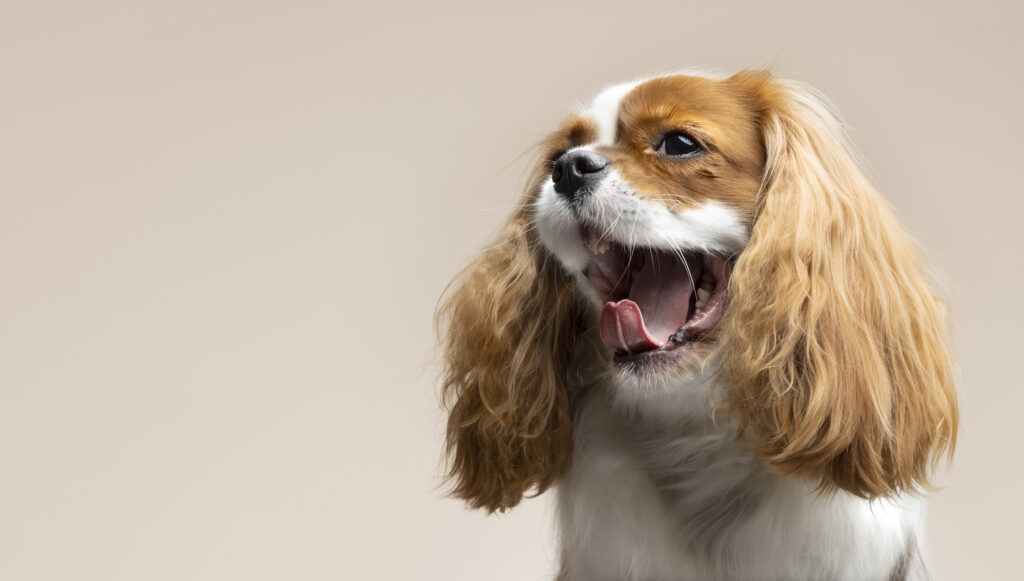
We’ve all been there. Your dog bounds over for a cuddle, opens their mouth, and the moment is instantly less charming than you hoped. A little doggy odor is one thing. But persistent, strong dog bad breath is something else entirely, and it’s worth paying attention to.
The good news? Bad breath in dogs is almost always traceable to a root cause. And once you know what’s behind it, you can do something about it.
Here’s what every dog owner in Boulder should know.
Is Bad Breath in Dogs Actually Normal?
Mild, occasional odor is common, especially after your dog eats. But bad breath that lingers, intensifies, or smells truly foul is not something to brush off (pun intended). In most cases, it’s your dog’s body signaling that something needs attention.
What Causes Bad Breath in Dogs?
Dental Disease and Plaque Buildup
This is the most common culprit by far. When plaque and tartar accumulate on your dog’s teeth, bacteria thrive, and those bacteria produce the odor you’re noticing. Gum disease can develop quietly and progress quickly, which is why routine dog dental care matters so much. Most dogs show signs of dental disease by age three.
Diet and Eating Habits
What your dog eats, and sometimes what they find to eat on their own, can cause temporary bad breath. Certain foods, treats, and yes, the occasional garbage raid, are usually short-lived culprits.
Digestive Issues
The gut and the mouth are more connected than most people realize. Digestive upset or imbalances can surface as noticeable breath odor.
Underlying Health Conditions
In some cases, what causes really bad dog breath goes beyond the mouth. Kidney disease, diabetes, and liver conditions can each produce a distinctive smell. This is one reason bad breath that comes on suddenly or smells unusual deserves a closer look.
Natural Remedies and At-Home Options
Starting at home is completely reasonable, and there are genuinely helpful steps you can take.
Regular tooth brushing is the most effective thing you can do between vet visits. Use dog-safe toothpaste and start slow if your dog is new to it. Even a few times a week makes a meaningful difference.
Dental chews and toys can help reduce plaque buildup. Look for products with the VOHC (Veterinary Oral Health Council) seal of approval.
Fresh water and diet quality play a supporting role too. Keeping your dog well-hydrated and fed a balanced diet helps maintain a healthier oral environment overall.
Vet-approved water additives are another option worth asking about. Just steer clear of anything with alcohol or ingredients designed for humans.
The Best Way to Get Rid of Dog Bad Breath for Good
Home care helps, but the best way to get rid of bad dog breath long-term is to address the root cause with professional support.
A professional dental cleaning at Indian Peaks Veterinary Hospital goes well beyond what brushing can accomplish. We perform teeth cleanings under safe anesthesia so we can thoroughly remove tartar above and below the gumline, assess the full health of your dog’s mouth, and catch anything that needs treatment early.
If bad breath is linked to a systemic health issue, treating that condition is what resolves the odor. Our in-house diagnostics, including labs and digital radiography, help us get answers quickly so we can put together a care plan that makes sense for your dog and your family.
When to Worry: Red Flags That Mean It’s Time to See a Vet
Most bad breath is manageable. But some signs warrant a prompt call to your veterinary team:
- Bad breath that comes on suddenly or changes noticeably in smell
- A sweet or fruity odor (possible sign of diabetes)
- A urine-like or ammonia smell (possible sign of kidney issues)
- Changes in eating, drinking, or weight alongside the bad breath
- Visible bleeding, swollen gums, or loose teeth
- Lethargy or behavior changes accompanying the odor
Catching these signs early makes a real difference in outcomes. That’s exactly the kind of thing we’re here to help you navigate.
Your Boulder Vet Team Is Here to Help
Whether you have a puppy just getting their first teeth, an adult dog due for a cleaning, or a senior with a complicated health history, we’re here for every stage. At Indian Peaks Veterinary Hospital, we’ll help you understand what’s going on, walk through your options clearly, and put together a plan that works for your pet and your family.
Think it might be more than bad breath?