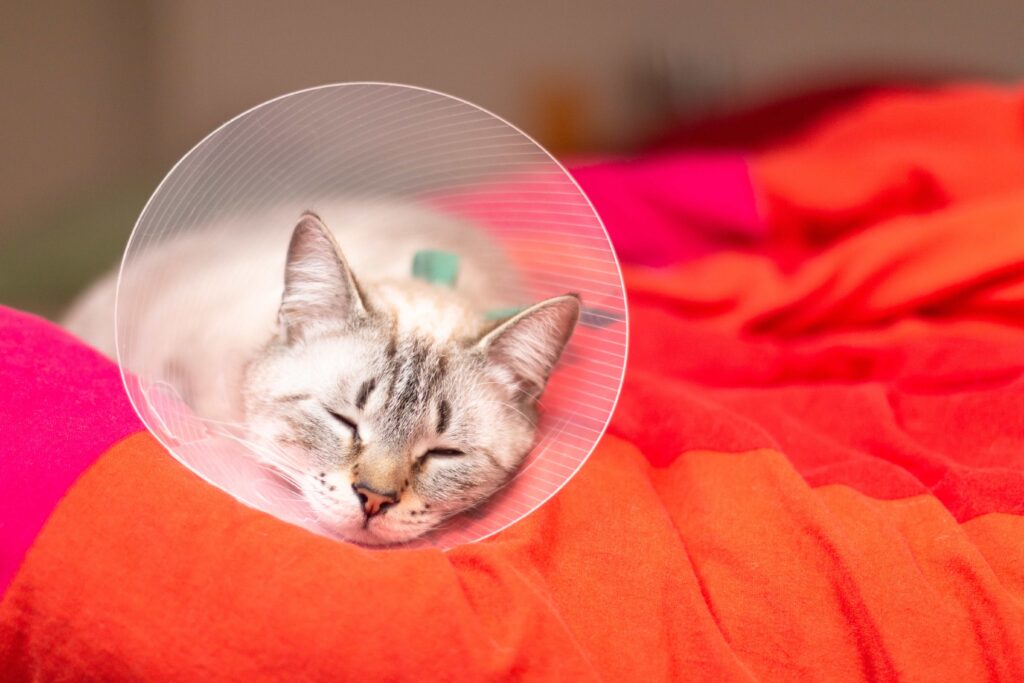
When your pet is scheduled for surgery, it’s natural to feel a wave of worry and responsibility. You want to do everything possible to ensure their safety and comfort, but the process can feel overwhelming. Indian Peaks Veterinary Hospital brings you calm, clarity, and steady support.
As Boulder’s trusted veterinary team, we understand just how much your companion means to you. With us by your side, you can approach surgery day with the confidence that your pet is in caring, capable hands.
Why Pre-Surgery Preparation Makes All the Difference
Preparation is more than a checklist. It protects your pet’s safety and sets the stage for a smoother recovery. When families know what to expect and make a few simple changes at home, pets tend to have fewer complications and bounce back more comfortably. At Indian Peaks Veterinary Hospital, your pet’s safety and comfort guide every decision we make.
By understanding what to expect and taking a few proactive steps, you can minimize risks, ease your pet’s anxiety, and help ensure the best possible outcome. This guide is packed with practical advice, expert insights, and local support tailored to your pet’s needs and your family’s routine.
Have questions or want one-on-one guidance for your pet’s upcoming surgery?
Reach out to Indian Peaks Veterinary Hospital. Our Boulder team is always here to help you feel prepared and supported.
Myths & Misconceptions About Pet Surgery Preparation
Misinformation about surgery prep can create unnecessary worry or even risk your pet’s health. At Indian Peaks Veterinary Hospital empowers Boulder pet owners with facts, not fear. Here are some common myths, debunked:
Myth 1: “My pet will be traumatized by surgery.”
Most pets recover far better than people expect. With modern anesthesia, pain control, and calm handling, they’re typically resting comfortably the same day.
Myth 2: “I can skip fasting if my pet is young or healthy.”
Fasting is essential for every pet, regardless of age or health. It reduces the risk of vomiting or aspiration under anesthesia. Always follow your vet’s instructions.
Myth 3: “Home remedies are safe for recovery.”
Not all home remedies are safe and some delay healing or interact with medications. Stick to your veterinary team’s advice for medications and wound care.
If you’re ever unsure, ask us. We’re committed to providing clear, evidence-based guidance so you and your pet can move forward with confidence.
Before the Surgery – How to Prepare Your Pet (and Yourself)
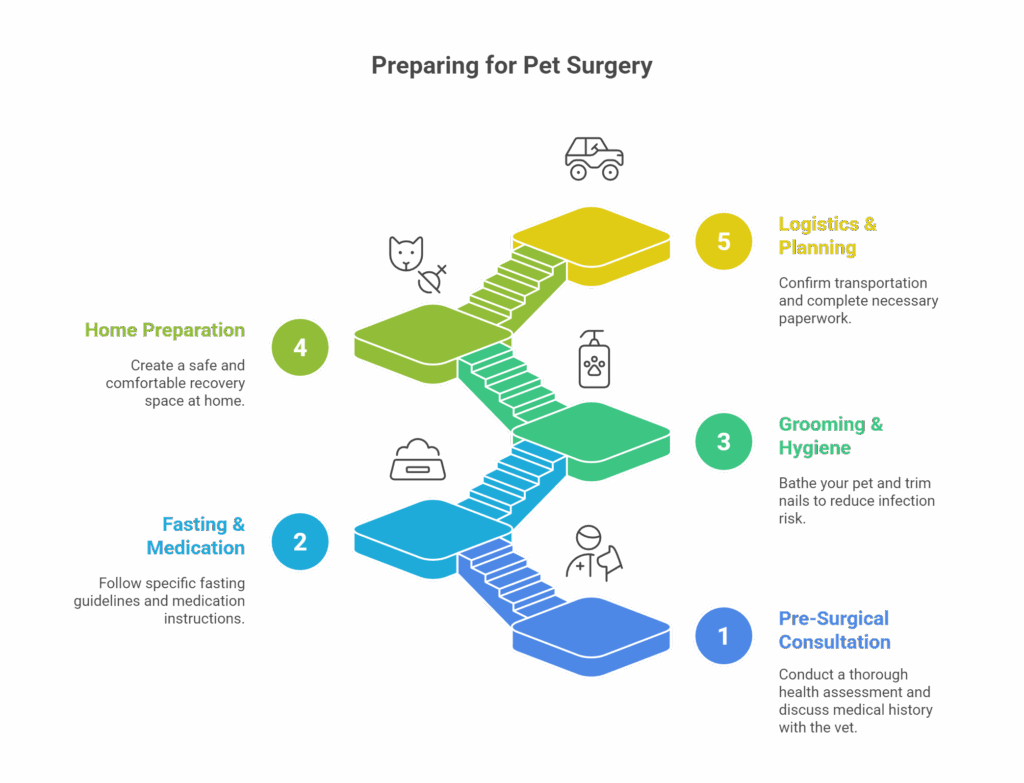
Step 1 – Pre-Surgical Consultation & Health Assessment
A safe, successful surgery begins with a thorough health assessment. Indian Peaks Veterinary Hospital’s AAHA-accredited protocols guide every step to ensure exceptional care.
Pre-anesthetic bloodwork is required within 30 days of the procedure. This testing helps us assess organ function and individualize your pet’s anesthetic needs.
Based on your pet’s age, medical history, and bloodwork results, we may also recommend:
- Abdominal ultrasound – recommended when kidney or liver values are elevated to visualize the organs in more detail that bloodwork alone can’t show
- Chest radiographs – to evaluate heart and lung health and to screen for possible metastasis (cancer spread to the lungs)
During the consultation, we review your pet’s full medical history, current medications or supplements, and any recent changes in symptoms or behavior. This is a valuable time to share concerns and ask questions so we can work together to tailor care to your pet’s needs.
Ready to prepare for your pet’s procedure?Schedule a consultation today and let our team guide you every step of the way.
Step 2 – Fasting & Medication Instructions
Fasting plays a key role in keeping your pet safe during anesthesia. At Indian Peaks Veterinary Hospital, we provide clear, species-specific directions and encourage you to reach out with any questions.
Fasting Guidelines
- Dogs and cats: No food for 8–12 hours before surgery to reduce the risk of vomiting or aspiration under anesthesia.
- For diabetic pets, fasting and insulin requirements may vary. Please speak with our team ahead of time so we can give you personalized instructions.
- Water: Okay to give to your pet up until intake the day of surgery.
Medications
- Only give medications the morning of surgery if we’ve instructed you to do so. Please contact us if you have questions regarding your pet’s medication.
Our ApproachWe believe in full transparency with clear instructions, communication, and support at every step. If you have any questions about fasting, water intake, or medications, reach out by phone, app, or email.
Step 3 – Grooming, Hygiene, and Stress Reduction
Proper grooming and a calm environment can make all the difference for your pet’s surgical experience and recovery.
Grooming & Hygiene:
- Bathe your pet 1–2 days before surgery, this is especially helpful for soft tissue and orthopedic procedures. Clean skin and fur lower the risk of infection and help our team maintain a sterile environment.
- Nail trims are complimentary for any brief sedation or anesthetic procedure at Indian Peaks Veterinary Hospital.
Stress Reduction:
- Keep routines as normal as possible in the days before surgery as predictability helps reduce anxiety.
- Avoid major changes like new foods or unfamiliar visitors right before the procedure to reduce stomach upset or vomiting.
- Pack a favorite toy or blanket for check-in and recovery. Familiar scents provide comfort and reassurance for your pet.
Our team is committed to clinical excellence and gentle, transparent care. If you have questions about pre-surgical grooming or how to keep your pet calm, please reach out, we’re here to help both you and your pet feel at ease every step of the way.
Step 4 – Preparing Your Home for Recovery
Setting up your home for your pet’s return is one of the most important and often overlooked steps in surgery preparation. A calm, comfortable space helps your pet recover safely and gives you peace of mind.
Create a Recovery Space:
- Choose a quiet area away from household traffic, other pets, and young children.
- Make the space cozy with clean, soft bedding that’s easy to wash.
- Remove hazards like slippery floors, stairs, or small objects your pet could chew or trip over.
Separation & Supervision:
- For the first few days, it may be helpful to keep your recovering pet separated from other animals and young children to prevent accidental bumps or rough play.
- Supervise interactions and limit activity as recommended by your veterinary team.
Checklist of Supplies:
- Fresh, clean bedding
- An Elizabethan collar (“cone”), available for pickup at Indian Peaks, to prevent licking or chewing at the incision
- Prescribed medications, pain relief, and any post-op instructions
- Food and water bowls that are easy to reach, especially for pets with limited mobility
Step 5 – Logistics & Day-Of Planning
A smooth surgery day starts with a little planning. Here’s how to ensure everything goes off without a hitch:
Transportation & Timing:
- Confirm your transportation arrangements in advance as your pet may be groggy after anesthesia and will need a safe, secure ride home.
- Confirm your scheduled drop-off and pick-up times with our team. Arriving on time helps us keep the day running smoothly for all our patients.
Paperwork & Contact Info:
- Complete your anesthesia consent form on your phone at your convenience before surgery day, or sign it during morning intake.
- We’ll confirm your phone number and update any contact information. It’s important that we can reach you by phone should decisions or updates be needed during your pet’s procedure.
Overnight Care:
Please note: Indian Peaks Veterinary Hospital does not provide overnight care. If your pet needs to stay overnight for monitoring, we will arrange a seamless transfer to the nearest emergency or specialty facility and communicate all special instructions to ensure continuity of care.
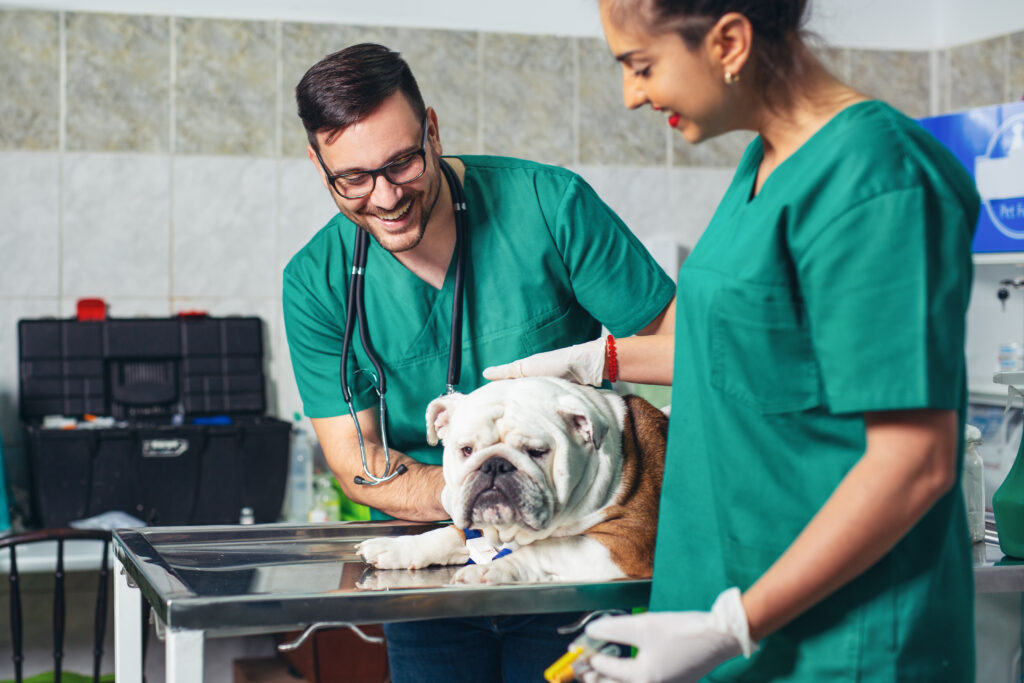
The Day of Surgery – What to Expect
Morning Routine & Check-In
On surgery day, a calm, organized start helps everyone, especially your pet.
Fasting & Medication:
Make sure your pet has fasted as instructed and only give medications if approved by our team.
A Calm Send-Off:
Keep the morning routine as normal and stress-free as possible. Offer gentle reassurance and avoid any rushed goodbyes as pets tend to pick up on your emotions.
Check-In at Indian Peaks:
When you arrive, our team will greet you and review your pet’s information. You’ll meet with a member of our surgical team, have a chance to ask last-minute questions, and sign consent forms.
We encourage you to voice your concerns, and no question is too small when it comes to your pet’s health and comfort. Our team is here to make sure you feel confident and informed before you say goodbye.
During the Procedure – Safety, Monitoring & Communication
Behind the Scenes:
Your pet will receive an individualized anesthetic plan, tailored to their health and procedure. We use continuous monitoring to track vital signs throughout surgery and provide proactive pain control throughout anesthesia and recovery.
Ongoing Communication:
We understand that waiting can be stressful. Our team will keep you informed and updated by phone or text so you always know how your pet is doing.
At Indian Peaks Veterinary Hospital, you can trust that your companion is in skilled, caring hands every step of the way. If you have concerns before, during, or after the procedure, our lines are always open.
After the Surgery – Supporting a Smooth Recovery
Discharge Instructions & First 24 Hours
When you pick up your pet, our team will review all aftercare instructions with you, answer questions, and schedule recommended progress checks or follow-up appointments.
Here’s what to expect and how to help your pet recover comfortably:
- Wound/Incision Care:
Keep the incision clean and dry. Do not allow your pet to lick or chew at the area and use the provided Elizabethan collar (“cone”) as directed. - Medication Schedule:
Follow all medication instructions closely, including pain relief and antibiotics if prescribed. Set reminders for each dose to stay on track. - Activity Restriction:
Limit your pet’s activity as instructed. No running, jumping, or rough play until cleared by your veterinarian. - What to Expect:
Your pet may be drowsy, have a decreased appetite, or seem quieter than usual for the first 24 hours. This is normal after anesthesia and surgery.
Pain management is a priority, and if your pet seems uncomfortable, contact us for guidance.
Creating a Safe, Stress-Free Recovery Environment
Once your pet is home, a well-prepared recovery space helps prevent complications and supports healing.
- Quiet Space:
Set up a calm, comfortable recovery area away from household noise, stairs, and other pets or children. - Activity Limitation:
Block off stairs and discourage jumping or climbing. Use leashes for bathroom breaks if needed. - Monitoring for Complications:
Watch for signs of infection (redness, swelling, discharge, foul odor), excessive bleeding, heat at the surgical site, or sudden changes in behavior. If you notice any of these, call Indian Peaks right away. - Keeping Pets Calm & Entertained:
Offer gentle affection and quiet companionship. For most pets, calm activities like soft pets, being near you, or resting with a familiar blanket are best. If your pet has had dental extractions, avoid chew toys and hard treats entirely. If your pet struggles to settle or becomes overly active, we may prescribe medication to help keep them relaxed and safe during healing.
Follow-Up Care & When to Contact Your Vet
After your pet’s procedure, ongoing follow-up helps ensure healing stays on track and gives you peace of mind as your pet recovers at home.
Follow-Up Appointments:
We will recommend any necessary progress checks based on the type of surgery your pet had.
- TPLO surgery: A 2-week progress check and 8-week radiographs are required to monitor healing.
- Spays and neuters: A recheck is only needed if you notice something concerning or have questions at home.
- Dental procedures: A 2-week progress check to ensure your pet’s extraction sites are healing well and they can return to their normal diet.
- Mass removals: A 2-week progress check and suture removal.
When to Contact Us:
Call Indian Peaks Veterinary Hospital immediately if you notice:
- Persistent vomiting or diarrhea
- Difficulty breathing
- Severe pain, restlessness, or inability to settle
- Swelling, redness, discharge, or opening of the incision
- Loss of appetite for more than 24 hours
Remember, our team is here for you throughout your pet’s recovery. If you have any questions or concerns, no matter how small, please reach out. We’re committed to supporting both you and your pet every step of the way.
Frequently Asked Questions (FAQs) About Preparing Your Pet for Surgery
How long should my pet fast before surgery?
Most dogs and cats need to fast for 8–12 hours before their procedure, but exact timing can vary. Our Boulder veterinary team will give you specific instructions based on your pet’s age and medication conditions.
Can my pet have water the morning of surgery?
Water can typically be given up until your pet’s check-in the morning of surgery.
What if my pet is on medication?
Let us know about all medications and supplements your pet takes. Some should be continued while others may need to be discontinued before surgery. We’ll provide clear, individualized instructions, and never hesitate to double-check if you’re unsure.
What is involved in veterinary surgical prep?
Our AAHA-accredited team follows strict surgical prep protocols: we review your pet’s health history, perform pre-anesthetic bloodwork, and may recommend additional diagnostics if needed. For soft tissue surgeries, we shave and scrub the surgical site thoroughly, at least three times, to ensure a sterile environment. Your pet will have an intravenous catheter placed to ensure venous access.
What supplies should I have ready at home for recovery?
Prepare a quiet, comfortable space with clean bedding, an e-collar (“cone”), prescribed medications, and easy-access food and water bowls. Our Boulder team can provide guidance tailored to your pet’s needs.
How do I know if my pet is recovering normally?
Mild drowsiness, a reduced appetite, coughing, and some soreness are common for the first 24 hours. Watch for signs of infection including redness, swelling, discharge, persistent vomiting, severe pain, or changes in behavior. If you’re worried, contact Indian Peaks, and our local team is always here for you.
What are the risks of surgery?
All surgeries carry some risk, but our experienced team uses continuous monitoring and individualized anesthetic plans to minimize complications. We’ll discuss any specific risks for your pet and answer all your questions before the procedure.
Still have questions?
Indian Peaks Veterinary Hospital is Boulder’s trusted resource for surgical care. Reach out any time for personalized answers, reassurance, or to schedule a pre-surgical consultation.
Why Choose Indian Peaks Veterinary Hospital for Your Pet’s Surgery?
Choosing the right veterinary team for your pet’s surgery is about more than medical skill, it’s about trust, compassion, and a commitment to your pet’s lifelong well-being.
AAHA-Accredited & Progressive Surgical Care
Indian Peaks Veterinary Hospital is proudly AAHA-accredited, reflecting our dedication to the highest standards in veterinary medicine. Our surgical protocols are thorough with a focus on individualized anesthetic plans, continuous monitoring, and proactive pain management.
We invest in modern tools, digital X-rays, in-house labs, and an online pharmacy, so your pet receives efficient, comprehensive care from diagnosis to recovery.
Personalized, Family-Like Approach
As an independent, Boulder-based clinic, we treat every pet and owner like family. You’ll see the same caring faces at each visit, and your pet is always supported by a dedicated team member alongside your veterinarian.
Our family-like culture means decisions are made locally, not by a corporate office, allowing us to provide truly personalized care.
Rooted in the Boulder Community
We’re not just a clinic in Boulder, we’re a part of the community. Our team is committed to building long-term relationships with pet families, offering education, preventive care, and ongoing support at every stage of your pet’s life.
As Dr. Sarah Grier, our owner and medical director, puts it:
“We want our clients to leave confident, supported, and informed, knowing their pets are healthy and happy and that they have a veterinary team they trust for every stage of their pet’s life.”
Transparency, Safety, and Ongoing Support
At Indian Peaks, you’ll always know your options and costs up front. We empower you to make informed decisions, whether it’s about a routine procedure or a complex surgery. Our approach balances clinical excellence with warmth and transparency, so both you and your pet feel safe, respected, and heard.
Ready to Experience the Indian Peaks Difference?
Schedule a surgical consultation or reach out with any questions, our Boulder team is here to support you and your pet, every step of the way.
Additional Resources & Support for Pet Owners
Downloadable Checklists & Guides
More Help
- You can reach us anytime via our Contact Page.
At Indian Peaks Veterinary Hospital, we’re here to support you and your pet, every step of the way.
Empowering You and Your Pet for a Safe, Stress-Free Surgery
Preparation is powerful, and when you and your veterinary team work together, you give your pet the best chance for a smooth, safe surgical experience and recovery. At Indian Peaks Veterinary Hospital, we believe that informed, supported pet owners make all the difference.
We’re here for you every step of the way. Whether you have questions, need reassurance, or want to schedule a pre-surgical consultation, our Boulder team is ready to help.
Contact us today for personalized guidance and let us partner with you to ensure your pet’s comfort, safety, and well-being before, during, and after surgery.