
When your pet isn't acting like themselves, you want answers, not guesses. Whether you're dealing with digestive issues, skin problems, changes in behavior, or something that just doesn't seem right, diagnostic testing helps us understand what's happening and what to do next.
Veterinary diagnostics play an important role in helping our Boulder, CO veterinarians identify illness, monitor ongoing conditions, and catch health concerns before they become more serious. From routine screening tests to advanced imaging, our team uses diagnostic tools to build a clearer picture of your pet's health and create a treatment plan that makes sense.
If your pet is showing signs of illness or is due for preventive screening, text or call us at (303) 938-9474 to schedule a visit.
Accurate Results from a Team You Trust
Diagnostic testing is most valuable when it's paired with experience, communication, and a plan.
At Indian Peaks Veterinary Hospital, we use diagnostic tests to answer specific questions, confirm diagnoses, and help guide decisions about your pet's care. Our team takes the time to explain what we're looking for, why a test is recommended, and what the results may mean for your pet.
Many diagnostic services can be performed right here in our Boulder animal hospital, allowing us to gather information quickly and begin treatment sooner when needed. We also work closely with trusted outside laboratories and imaging specialists when advanced testing is recommended.
When Might My Pet Need Diagnostic Testing?
Diagnostic testing isn't only used when pets are sick. Many tests are also part of preventive care and can help detect changes before symptoms become obvious.
Our veterinarian may recommend testing if your pet is experiencing:
Vomiting or diarrhea
Weight loss or appetite changes
Increased thirst or urination
Coughing or breathing changes
Skin irritation or chronic itching
Ear infections
Lumps or bumps
Changes in behavior or energy level
Mobility concerns
Chronic medical conditions
Testing is also commonly recommended during wellness exams, before surgery, and when monitoring ongoing treatment plans.
Pet Diagnostic Tests We Offer
Between our well-equipped in-house laboratory, radiology tools, specialist partnerships, and reference laboratories, we’re able to conduct a wide range of testing to help find answers about your pet’s health.
Bloodwork
Blood testing helps us evaluate organ function, blood cell counts, hydration, infection, inflammation, and many other aspects of your pet's health. It is often one of the first tools used when investigating illness and is also valuable for preventive screening and senior pet care.
Urinalysis
A urinalysis provides important information about kidney function, hydration status, urinary tract health, and certain metabolic conditions. It can help identify infections, crystals, inflammation, and other concerns that may not be obvious from symptoms alone.
Fecal Exams
Fecal testing checks for intestinal parasites such as roundworms, hookworms, whipworms, and other organisms that can affect your pet's health. Even pets that appear healthy can carry intestinal parasites, making routine screening an important part of preventive care.
Cytology
Cytology involves examining cells under a microscope to gather more information about lumps, bumps, skin conditions, ear infections, and other abnormalities. This minimally invasive test often helps determine the next steps without requiring surgery.
Titer Testing
Titer testing measures the level of antibodies your pet has against certain diseases. In some situations, these results may help determine whether your pet already has protective immunity and guide future vaccination recommendations.
Serum Allergy Testing
For pets struggling with chronic itching, skin irritation, or recurring allergy symptoms, serum allergy testing can help identify environmental triggers that may be contributing to the problem. The results can help us develop a more targeted long-term management plan.
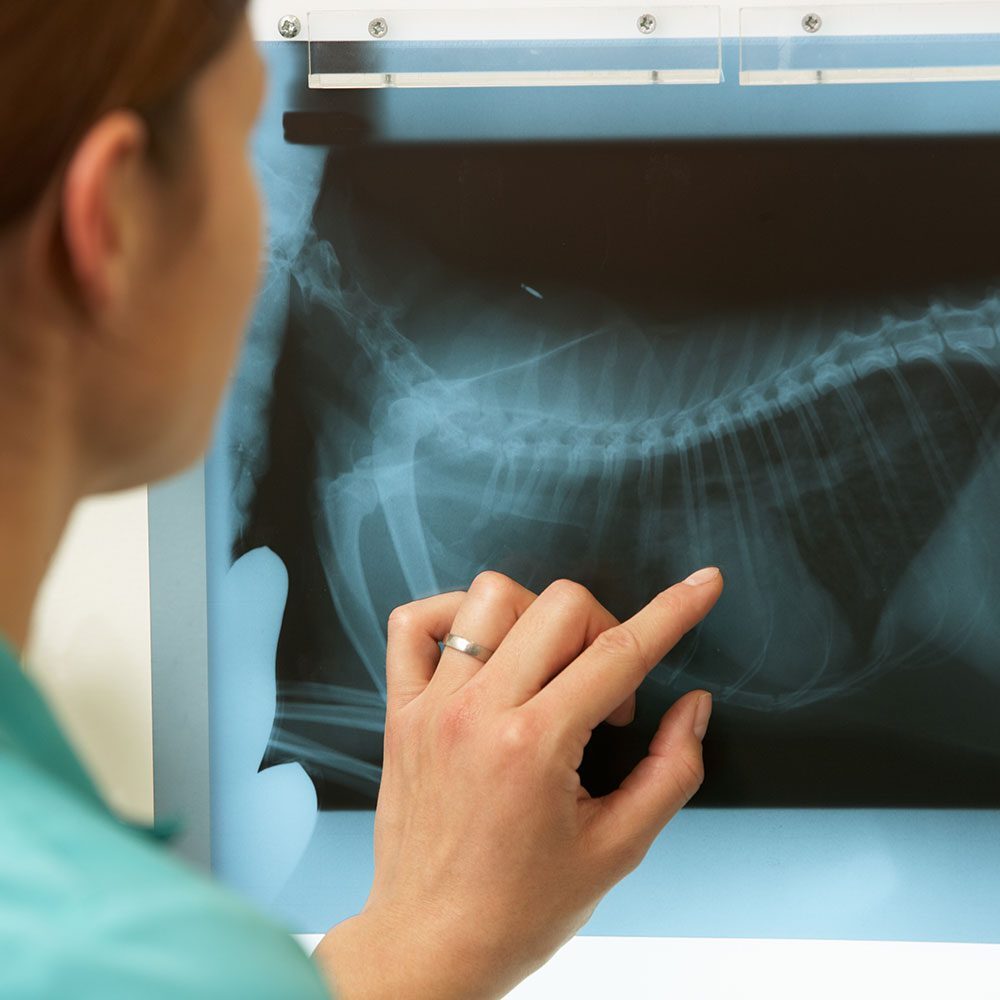
Digital X-Rays
Digital radiographs allow us to evaluate bones, joints, the chest, abdomen, and other internal structures. X-rays can help identify fractures, arthritis, heart enlargement, bladder stones, foreign objects, and many other conditions.
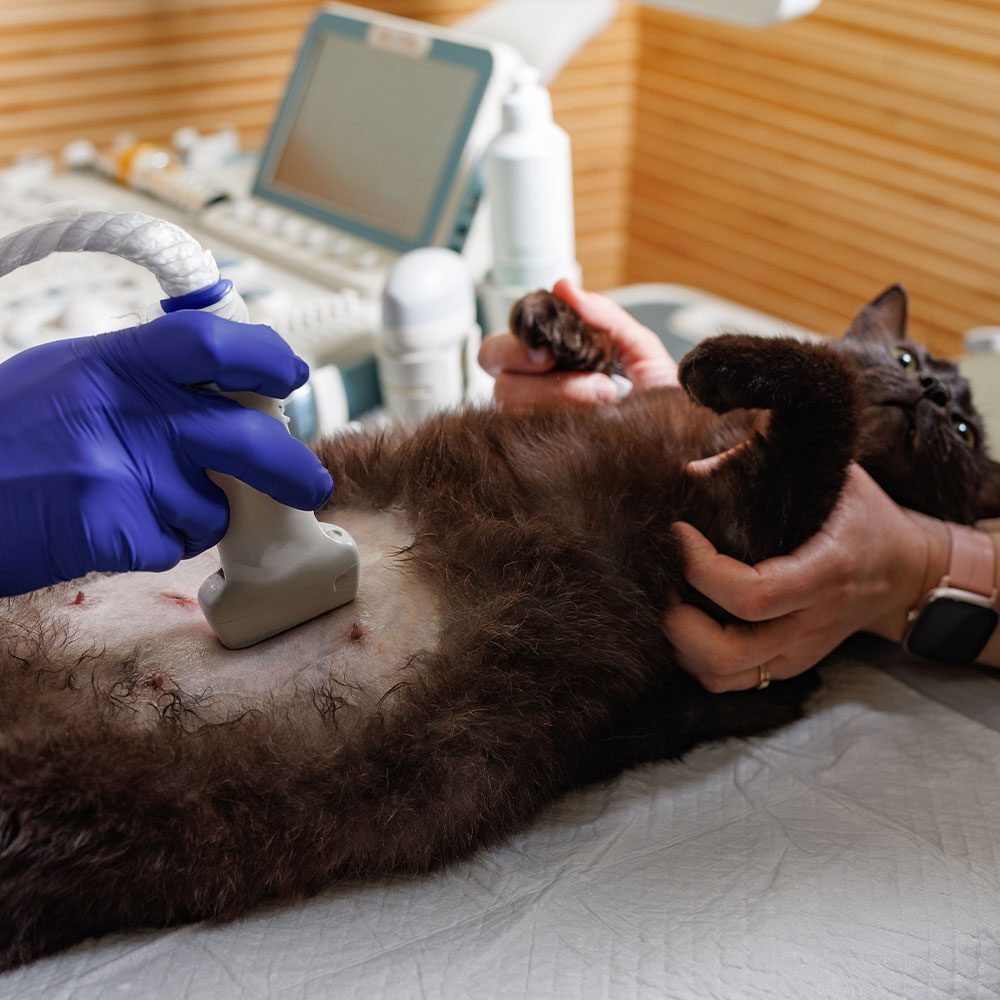
Ultrasound
Ultrasound allows us to evaluate internal organs in real time and provides information that X-rays alone cannot. This non-invasive imaging tool is often used to assess the heart, lungs, liver, kidneys, bladder, spleen, gastrointestinal tract, and other structures.
What Happens When Your Pet Needs Diagnostic Tests?
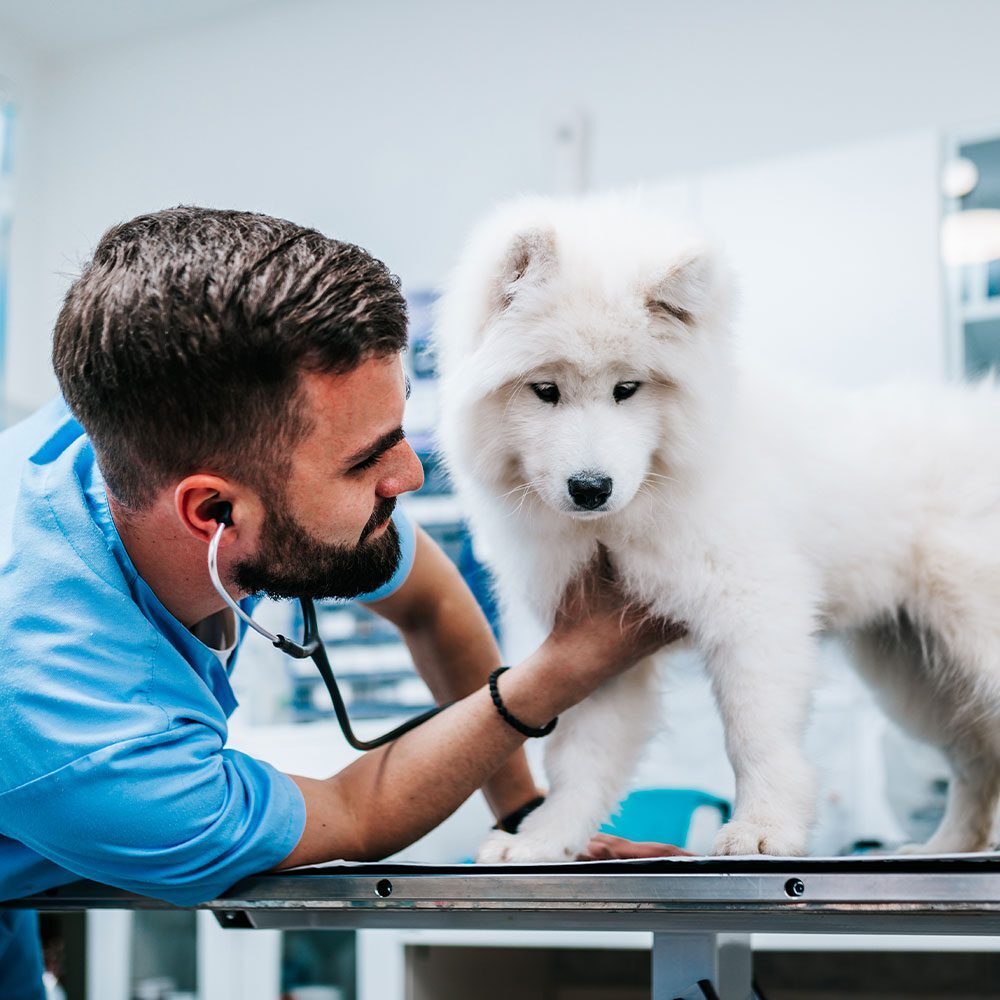
Every diagnostic plan starts with a conversation and a physical exam. Once we understand your pet's symptoms and medical history, we'll recommend the tests that are most likely to provide useful answers.
Some tests, such as bloodwork, urine testing, or fecal exams, can often be performed during a routine appointment. Imaging studies or specialized testing may require additional scheduling depending on your pet's needs.
Once results are available, we'll review them with you, explain what they mean, and discuss any recommended next steps. Our goal is not only to find answers, but also to help you feel informed and confident moving forward.
Better Answers Lead to Better Care
The sooner we understand what's happening, the sooner we can focus on helping your pet feel better.
At Indian Peaks Veterinary Hospital, diagnostic testing is about using the right information to make smart decisions for your pet's health. Whether we're investigating a new concern or monitoring an ongoing condition, our team is here to guide you through the process and explain every step along the way.
If your pet isn't feeling their best, let's start finding answers together. Text or call us at (303) 938-9474 to schedule an appointment.
FAQ: Veterinary Diagnostics
Sometimes. Certain blood tests provide more accurate results when pets have not eaten for several hours beforehand. If fasting is recommended, our team will give you specific instructions before your appointment.
Most blood, urine, fecal, and cytology tests can be performed without sedation. Some imaging studies or procedures may occasionally require mild sedation if a pet is anxious, painful, or unable to remain still. We will discuss this with you beforehand if needed.
Timing depends on the type of test being performed. Some results may be available the same day, while others require analysis by a reference laboratory and can take several days. We'll let you know when to expect results and how we'll communicate them.
Yes. Diagnostic testing is often used to track conditions such as kidney disease, diabetes, thyroid disease, allergies, and other long-term health concerns. Regular monitoring helps us adjust treatment plans as your pet's needs change.
Normal results are valuable information, too. They help us rule out certain conditions and narrow the list of possible causes, allowing us to make more informed decisions about what to investigate next.