Hearing that your pet needs surgery can bring up a lot of questions. You want to know the procedure is necessary, that your pet will be safe under anesthesia, and that they'll receive excellent care from start to finish.
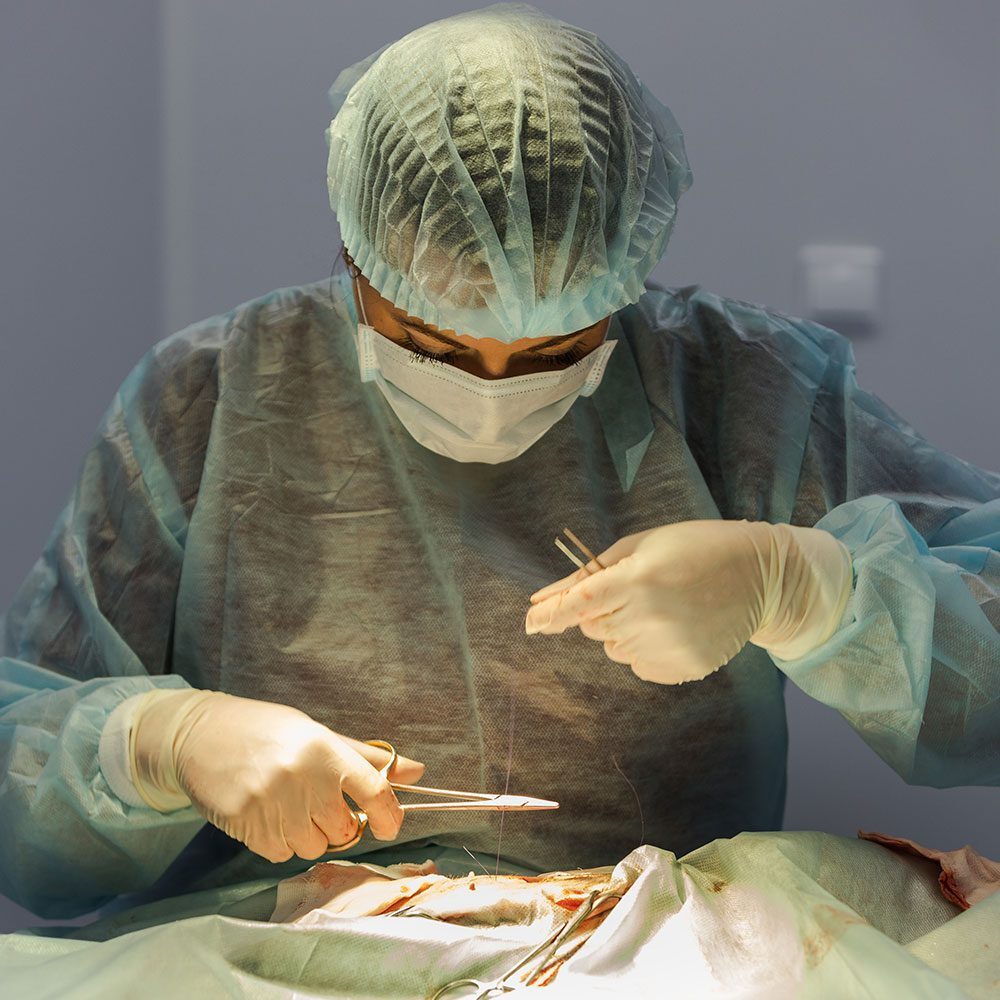
At Indian Peaks Veterinary Hospital, we perform cat and dog surgery with a focus on safety, communication, and comfort. From routine procedures to more advanced surgeries, our Boulder, CO team carefully plans every step of the process so you understand what to expect and your pet receives the care they need.
If your pet has been diagnosed with a condition that may require surgery, or if you'd like a surgical consultation, text or call us at (303) 938-9474.
Why Trust Indian Peaks with Your Pet's Surgery?
Surgery is never just about the procedure itself. It's about the planning beforehand, the monitoring during surgery, and the support that follows.
At Indian Peaks Veterinary Hospital, every surgical patient receives:
A thorough pre-surgical examination
Pre-anesthetic bloodwork to assess overall health
An individualized anesthesia plan
IV catheter placement and fluid therapy
Continuous monitoring of heart rate, blood pressure, oxygen levels, and temperature
Pain management before, during, and after surgery
Detailed discharge instructions and recovery guidance
As an AAHA-accredited animal hospital, we follow rigorous standards for anesthesia, patient monitoring, and surgical care. Our team also works closely with visiting board-certified surgeons when advanced orthopedic or specialty procedures are needed, allowing many pets to receive care without leaving Boulder.
When Surgery May Be the Right Next Step
Sometimes medication, monitoring, or lifestyle changes are enough. Other times, surgery offers the clearest path to relieve pain, remove a problem, repair an injury, or prevent a condition from getting worse.
Your pet may need surgical care for concerns such as:
Growths, lumps, or masses that need removal or testing
Wounds, abscesses, or injuries that need repair
Swallowed objects that cannot pass safely
Bladder stones or urinary tract complications
Abdominal conditions affecting the stomach or intestines
Torn ligaments or joint instability
Kneecap problems, such as luxating patellas
Painful teeth or advanced oral disease
Reproductive health concerns
Certain urgent or emergency conditions
Surgical Procedures We Perform
Indian Peaks Veterinary Hospital provides a range of surgical services for dogs and cats, with visiting board-certified surgeons available for more advanced procedures. This allows many pets to receive the care they need close to home, with a team they already know.
Spay and Neuter Surgery
Spaying and neutering are among the most common surgeries we perform and can provide important health and behavioral benefits while preventing unexpected litters.
Soft Tissue Surgery
Soft tissue surgery addresses conditions involving the skin, abdomen, internal organs, and other non-bone structures. These procedures may include mass removals, abdominal surgery, wound repair, bladder surgery, and other medically necessary treatments.
Dental Surgery
Some dental conditions require more than a cleaning. We perform tooth extractions and other oral surgical procedures when damaged or infected teeth are causing pain.
Orthopedic Surgery
Through our partnership with visiting board-certified surgeons, we can provide advanced orthopedic procedures for pets dealing with injuries, torn ligaments, joint problems, or mobility challenges. One of the key benefits of partnering with a board-certified surgeon is the ability to have TPLOs performed right here in our Boulder animal hospital. This specialized surgery is a common procedure used to restore mobility and alleviate pain in pets with torn cranial cruciate ligaments.
What to Expect Before, During, and After Surgery
Knowing what to expect when your pet needs surgery can help ease your mind. We’ve outlined the typical protocol for many of our surgeries below.
Before Surgery
Before your pet's procedure, we'll perform a physical exam, review medical history, discuss anesthesia, and complete any recommended pre-operative testing. You'll receive instructions regarding food, water, medications, and arrival time.
During Surgery
Your pet will be carefully monitored throughout the procedure by trained veterinary professionals. We continuously track vital signs and adjust anesthesia as needed to help keep your pet safe and comfortable.
After Surgery
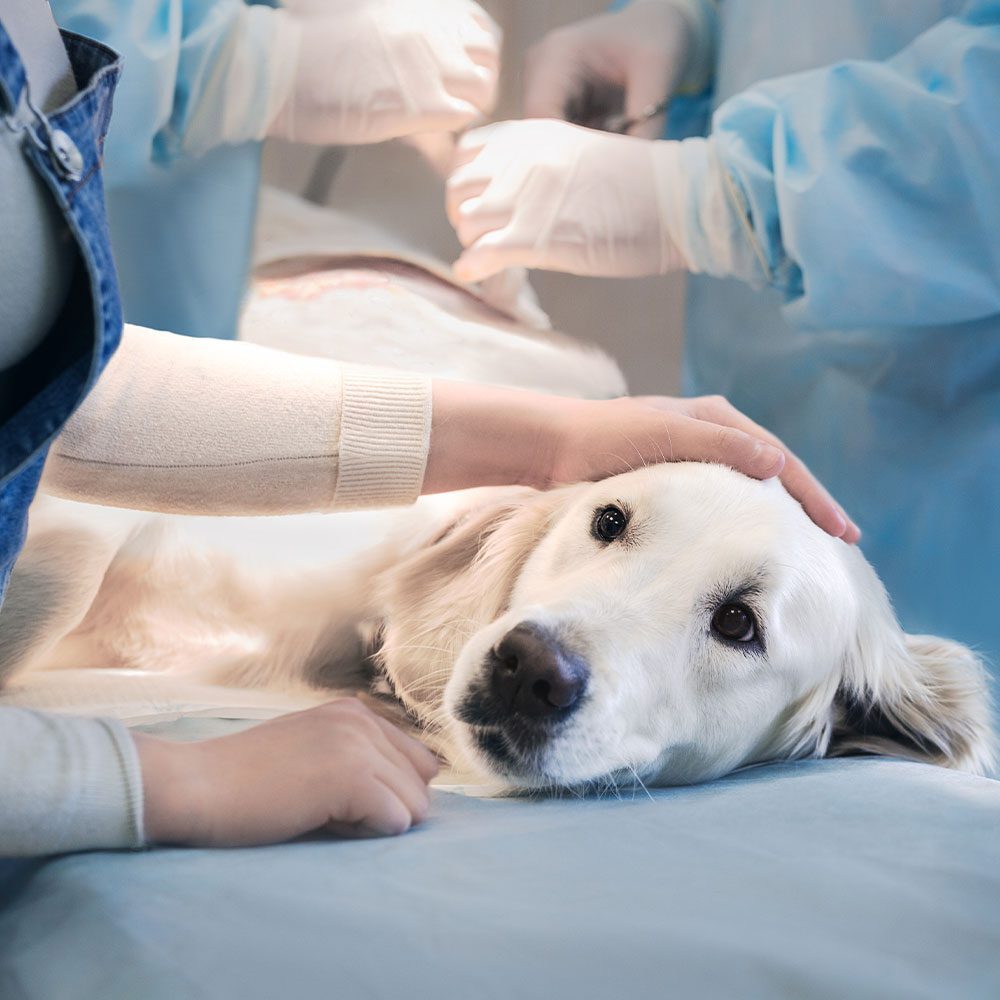
Once the procedure is complete, your pet will recover in a closely supervised area where we continue monitoring their comfort and vital signs. Before your pet goes home, we'll review medications, activity restrictions, incision care, feeding instructions, and follow-up recommendations.
Surgical Care That Puts Your Mind at Ease
When your pet needs surgery, you deserve a team that takes the time to explain the process, answer your questions, and care for your pet as an individual.
At Indian Peaks Veterinary Hospital, we combine advanced surgical capabilities with the personal attention of a locally owned animal hospital. From your first consultation through recovery, our focus is on helping your pet heal safely and helping you feel informed every step of the way.
If your pet needs surgery or you'd like to discuss your options, we're here to help. Text or call us at (303) 938-9474.
FAQ: Cat and Dog Surgery
Every pet receives a physical examination and pre-anesthetic evaluation before surgery is recommended. Factors such as age, overall health, medical history, and the condition being treated all help determine whether surgery is the best option. Many senior pets can safely undergo surgery with proper planning and monitoring.
Age alone does not determine anesthesia risk. Many senior dogs and cats safely undergo anesthesia every year. Pre-anesthetic bloodwork, individualized protocols, and continuous monitoring help us evaluate and manage risk based on your pet's overall health.
Most pets should not eat after a specified time the night before surgery, although water restrictions may vary depending on the procedure and your pet's age. Our team will provide detailed instructions before your pet's appointment. Following these instructions is important for anesthesia safety.
The answer depends on the procedure and how quickly your pet heals. Many pets need an e-collar for 10 to 14 days to prevent licking or chewing at the incision site. We'll let you know exactly how long your pet should wear theirs.
Contact our team if you notice excessive swelling, redness, discharge, persistent vomiting, loss of appetite, difficulty breathing, significant lethargy, or if your pet seems unusually uncomfortable. Early communication allows us to address concerns before they become bigger problems.