
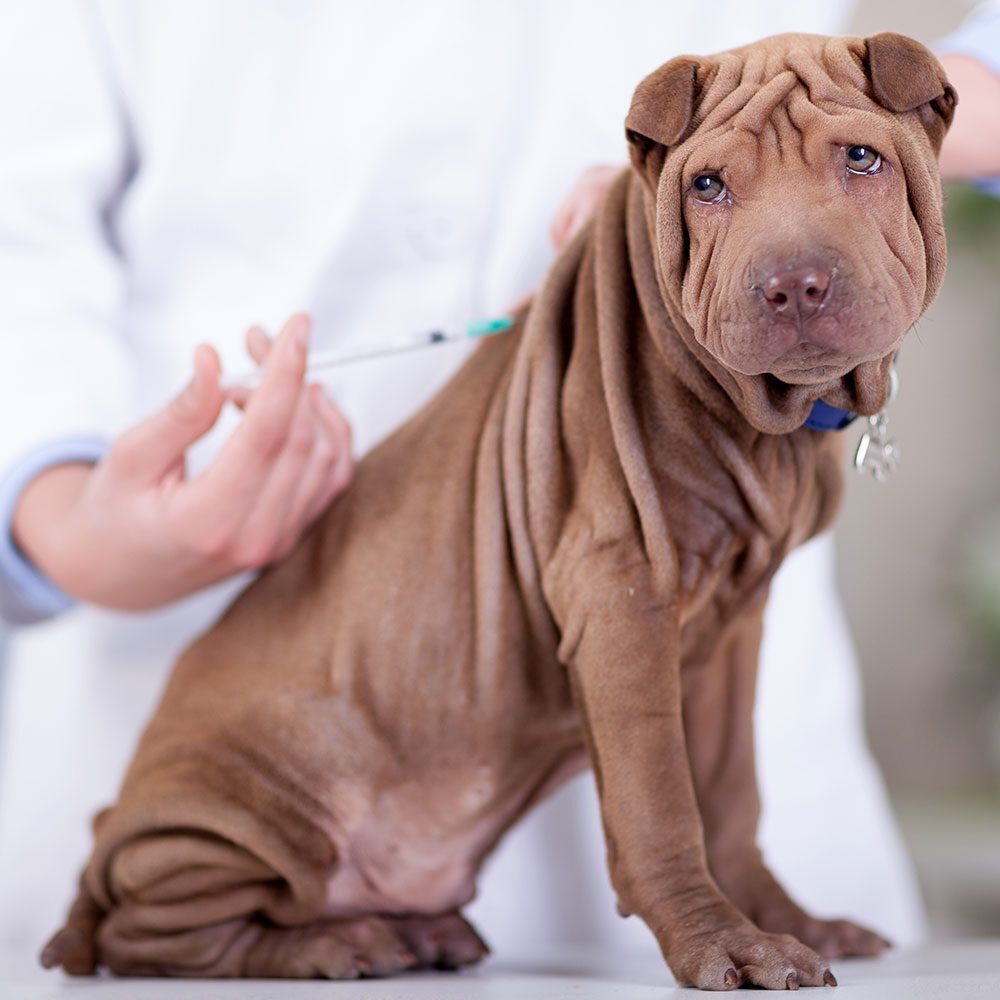
Vaccines help protect your pet from serious, contagious, and sometimes life-threatening diseases. But the right plan is not the same for every dog or cat.
At Indian Peaks Veterinary Hospital, we provide cat and dog vaccinations based on your pet’s age, lifestyle, health history, and risk factors. Whether your pet hikes with you, visits daycare, stays mostly indoors, or is just starting their puppy or kitten vaccine series, our Boulder, CO veterinarians will help you understand what they need and why.
If your pet is due for vaccines or you’re unsure what they need next, call or text to schedule a vaccination visit with our team.
How Indian Peaks Builds the Right Vaccine Plan for Your Pet
As an independently owned animal hospital in Boulder, Indian Peaks Veterinary Hospital has the freedom to make vaccine recommendations based on each pet in front of us.
We look at your pet’s age, medical history, travel habits, outdoor exposure, boarding or daycare needs, and local disease risks. Then we talk through your options so you understand which vaccines are recommended, which may be optional, and when your pet should return for boosters.
Our goal is to help your pet stay protected with a plan that makes sense for their real life, instead of following a cookie-cutter approach.
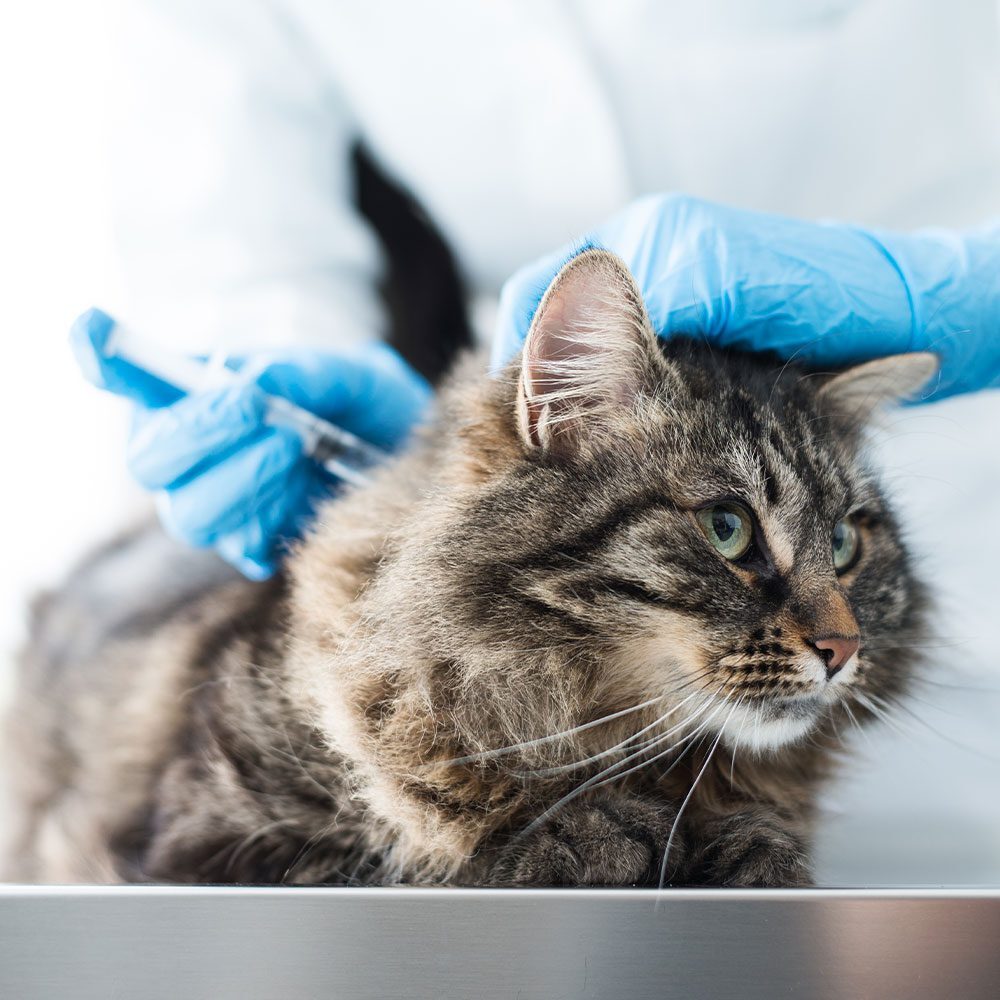
Vaccines We Offer for Dogs and Cats
As an AAHA-accredited animal hospital, we follow the most current vaccination guidelines for cats and dogs to ensure they have the appropriate protection.
Rabies
Rabies is a fatal viral disease that can affect pets, wildlife, and people. Vaccination is legally required for both cats and dogs in many areas and is one of the most important ways to protect your pet and the community.
Canine Distemper
Canine distemper is a contagious viral disease that can affect the respiratory, digestive, and nervous systems. It can be severe, especially in puppies and unvaccinated dogs.
Canine Adenovirus/Hepatitis
This vaccine helps protect dogs against infectious canine hepatitis, a disease that can affect the liver and other organs.
Canine Parvovirus
Parvovirus is a highly contagious and potentially life-threatening illness that causes severe vomiting, diarrhea, dehydration, and weakness, especially in puppies.
Leptospirosis
Leptospirosis is a bacterial disease spread through contaminated water, soil, or wildlife urine. It can affect the kidneys and liver and can also pose a risk to people.
Lyme Disease
Lyme disease is spread by black-legged ticks and can cause fever, joint pain, lethargy, and kidney complications in some dogs. This vaccine may be recommended for dogs with tick exposure.
Bordetella & Canine Influenza
Bordetella (kennel cough) and canine influenza are contagious respiratory illnesses that can spread in social settings like boarding, daycare, grooming facilities, dog parks, or training classes.
Feline Panleukopenia
Also called feline distemper, panleukopenia is a serious viral disease that can cause vomiting, diarrhea, immune suppression, and severe illness in cats.
Feline Rhinotracheitis
Feline rhinotracheitis is a common respiratory infection in cats that can cause sneezing, eye discharge, nasal congestion, and fever.
Feline Calicivirus
Feline calicivirus is a common and highly contagious respiratory virus that can cause sneezing, nasal congestion, eye discharge, mouth ulcers, and fever. Vaccination helps reduce the risk of infection and severe illness and is considered part of the core vaccine series for most cats.
Feline Leukemia
Feline leukemia is a viral disease that can weaken the immune system and lead to serious long-term health problems. This vaccine may be recommended for kittens and cats who spend time outdoors or live with FeLV-positive cats.
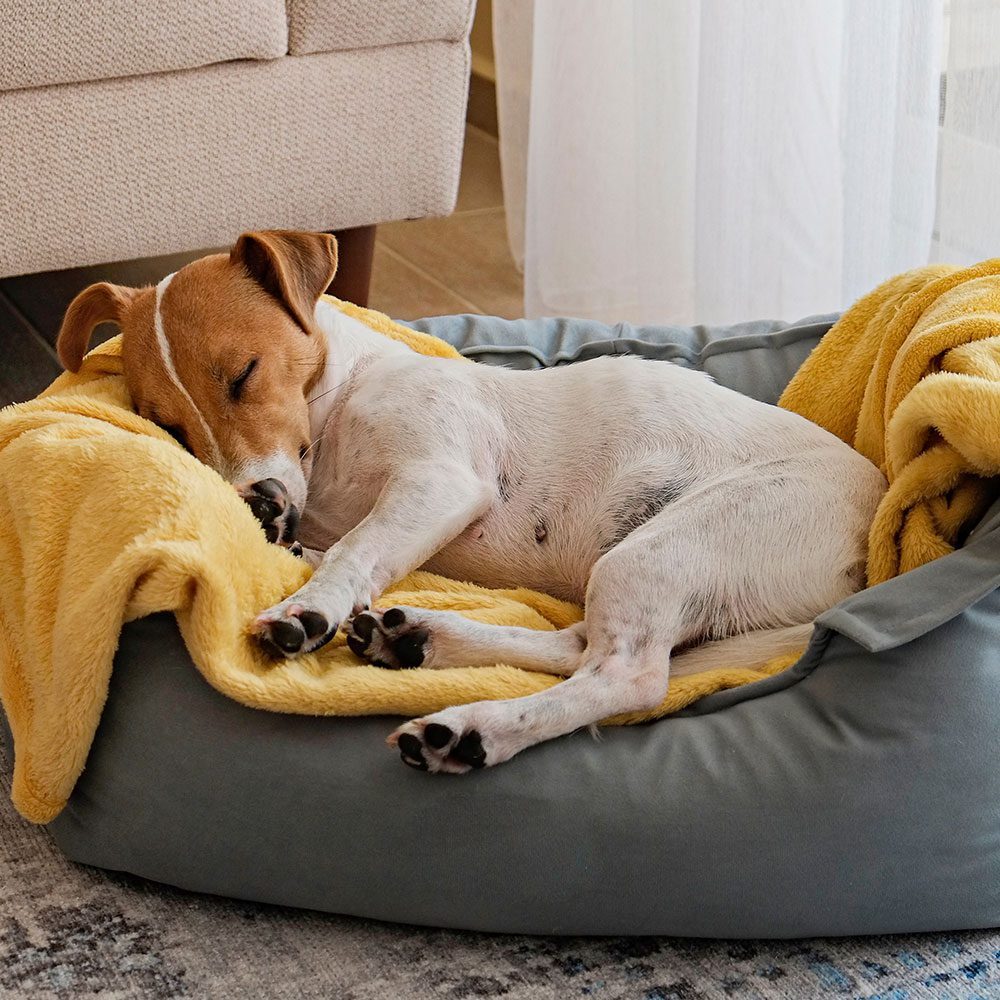
What to Expect After Your Pet Is Vaccinated
Most pets do very well after vaccines. Some may feel a little tired, sore at the injection site, or less interested in food for a short time. These mild changes usually resolve on their own.
Our veterinarian will let you know what to watch for after the visit and when your pet should return for their next vaccine or booster. Puppies and kittens need a series of vaccines to build strong protection, while adult pets need boosters at regular intervals to maintain immunity.
If your pet has had a vaccine reaction before or has a sensitive medical history, please let us know. We can adjust the plan and monitoring recommendations to help keep their visit safer and more comfortable.
Protection That Matches Your Pet’s Real Life
Your pet’s vaccine needs depend on their world: where they go, who they meet, and what risks they may encounter along the way. At Indian Peaks Veterinary Hospital, we look at the full picture before recommending vaccines, from indoor routines to hiking trails, boarding plans, travel, and local disease concerns.
If your pet is due for vaccines, or you’re starting care with a new puppy or kitten, our team can help you build a clear plan. Text or call us at (303) 938-9474 or book an appointment online.
FAQ: Cat and Dog Vaccinations
Most adult dogs and cats need vaccine boosters every 1–3 years, depending on the vaccine, their age, lifestyle, and health history. Puppies and kittens need a series of vaccines during their first few months of life to build protection. Your veterinarian will help you stay on schedule.
Yes. Indoor pets can still be exposed through other pets, open doors, wildlife, boarding, grooming, or unexpected escapes. Core vaccines help protect against serious diseases that can affect pets even if they rarely go outside.
Most dogs need core vaccines for rabies, distemper, adenovirus/hepatitis, parvovirus, and leptospirosis. Depending on your dog’s lifestyle, your veterinarian may also recommend vaccines for Lyme disease, bordetella, or canine influenza.
Most cats need core vaccines that help protect against rabies, feline panleukopenia, feline rhinotracheitis, feline calicivirus, and other serious diseases. Feline leukemia may also be recommended for kittens, outdoor cats, or cats with certain exposure risks.
Most pets do very well after vaccines. Mild tiredness, soreness, or reduced appetite can happen and usually passes quickly. If your pet has had a vaccine reaction before, let our team know so we can adjust their plan.