
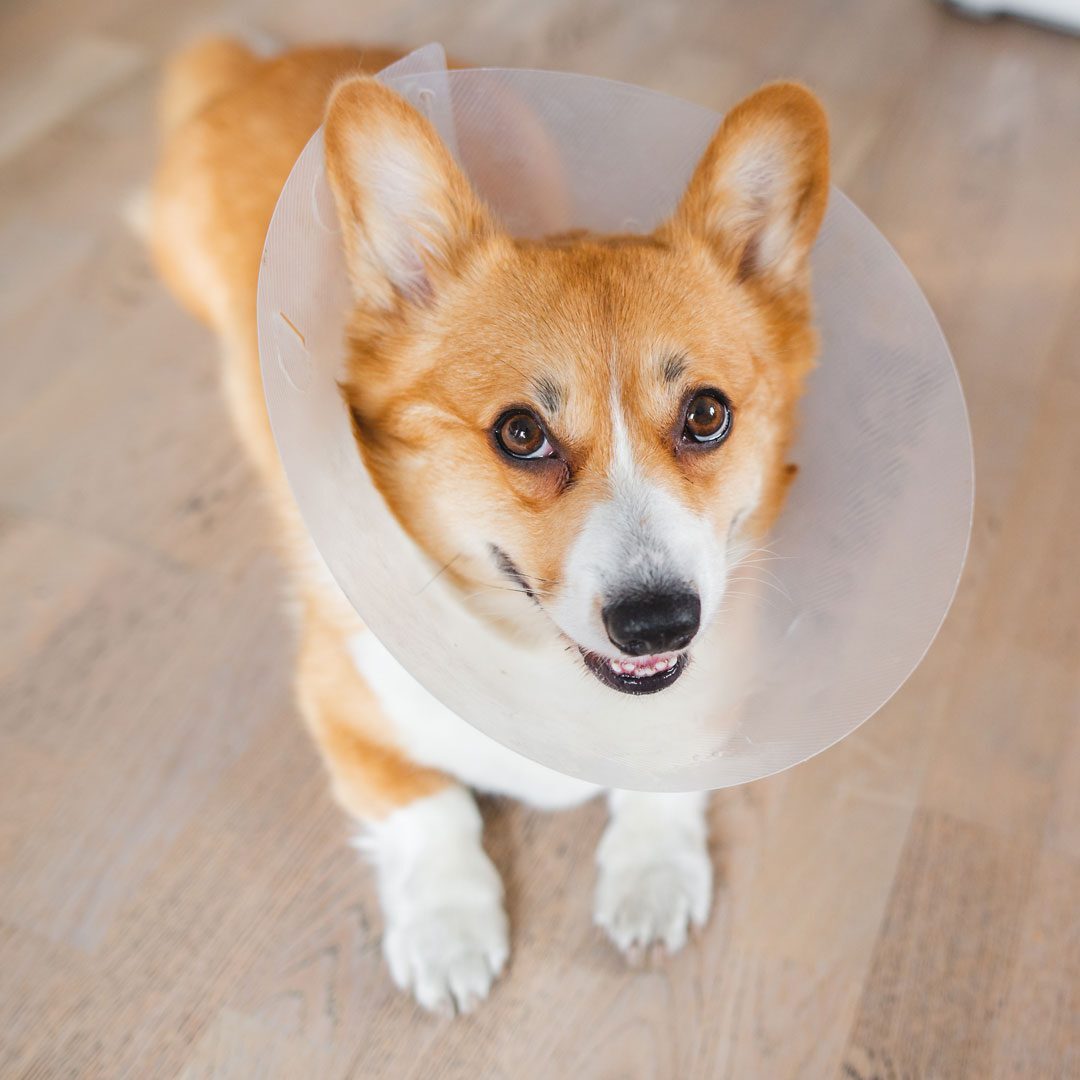
Spaying or neutering your pet is one of the most common surgeries in veterinary medicine, but that does not mean it should feel routine to you. It is normal to have questions about timing, safety, recovery, and what the procedure means for your pet’s long-term health.
At Indian Peaks Veterinary Hospital, we provide cat and dog spay and neuter surgeries with careful planning, pre-anesthetic lab work, individualized anesthesia, pain management, and close monitoring before, during, and after surgery. The goal of our Boulder, CO veterinarians is to help your pet move through the process safely and comfortably while making sure you know exactly what to expect.
If you have a puppy, kitten, newly adopted pet, or adult pet who has not been spayed or neutered, call or text us at (303) 938-9474 to schedule a consultation.
When Is the Right Time to Spay or Neuter My Pet?
The right time to spay or neuter depends on your pet’s species, age, breed, size, health, and lifestyle. Many cats and small dogs are spayed or neutered around 5 to 6 months of age, while some larger-breed dogs may benefit from a different timeline.
During your pet’s visit, our veterinarian will talk with you about the best timing based on your pet’s development and health history. We’ll also review any upcoming boarding, daycare, training, or travel plans that may affect scheduling.
If your pet is already an adult, it is not too late to discuss surgery. Many adult dogs and cats can still benefit from being spayed or neutered, and our team will help you understand what makes sense for your pet.
The Benefits of Spaying and Neutering
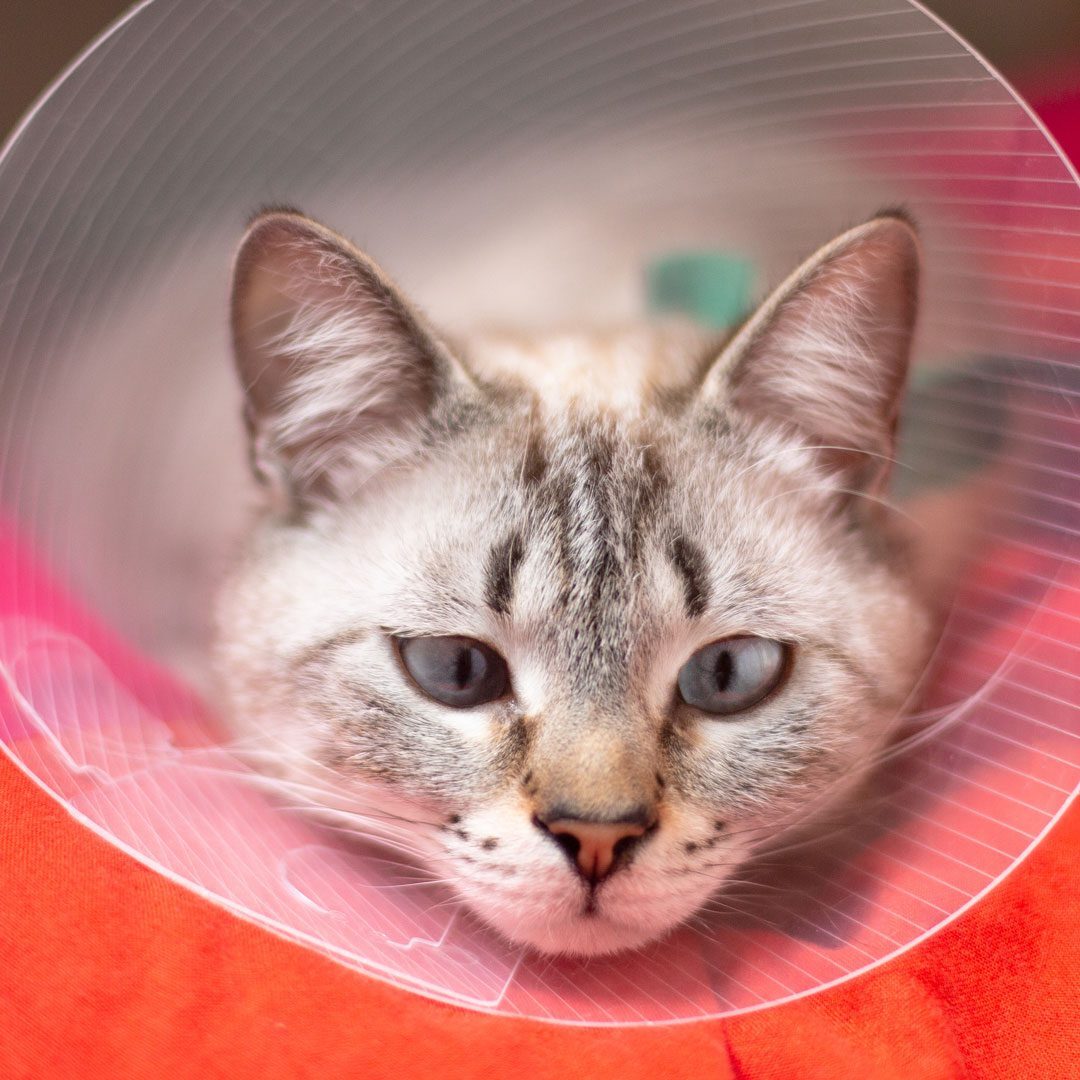
Spaying and neutering help prevent unplanned litters, but the benefits go beyond population control. These procedures can also support your pet’s long-term health and may reduce certain behavior concerns linked to hormones.
Benefits may include:
Preventing pregnancy and accidental litters
Eliminating heat cycles in female pets
Reducing the risk of uterine infections
Lowering the risk of certain reproductive cancers
Reducing roaming behavior in some pets
Reducing some hormone-driven marking or mounting behaviors
Supporting easier management in multi-pet households
Spaying and neutering are not a fix for every behavior concern, but they can be an important part of preventive care. Our veterinarian can help you understand which benefits apply most to your pet.
What to Expect After Spay or Neuter Surgery
Most pets go home the same day after spay or neuter surgery. Some sleepiness, mild grogginess, and lower energy are normal after anesthesia.
Your pet will need a quiet recovery space, limited activity, and close monitoring while the incision heals. We’ll send home detailed instructions, including medication directions, feeding guidance, activity restrictions, and signs that mean you should contact us.
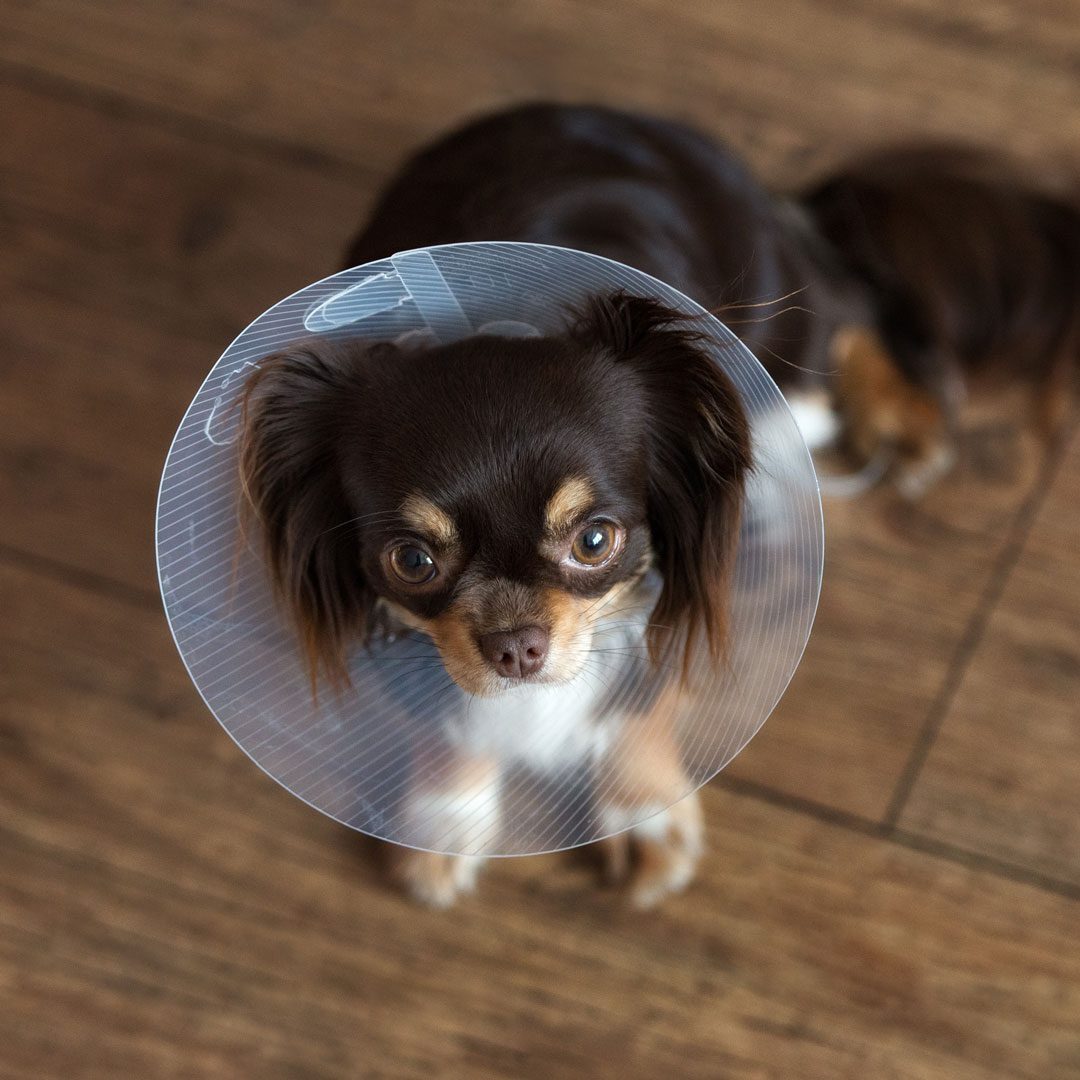
Pets need to avoid running, jumping, rough play, swimming, and baths during the early healing period. If your pet is likely to lick the incision, they may need an e-collar or recovery suit.
Our team remains available after surgery if you have questions or notice swelling, discharge, appetite changes, or anything that concerns you.
Spay and Neuter Surgery with Safety Built In
At Indian Peaks Veterinary Hospital, we take preventive surgery seriously because every pet deserves careful care from start to finish. Before surgery, we perform an exam and require pre-anesthetic lab work to help us assess your pet’s health and plan anesthesia safely.
During the procedure, your pet is monitored closely by our surgical team. We use individualized pain control, IV catheter placement, IV fluids, and continuous monitoring of vital signs such as heart rate, oxygen levels, blood pressure, and temperature. After surgery, we watch your pet through recovery and make sure you leave with clear instructions for home care.
If your pet is ready for surgery or you have questions about timing, we’re here to help you make a confident decision. Call or text us at (303) 938-9474.
FAQ: Pet Spay & Neuter
Spaying or neutering should not change your pet’s core personality. Your dog or cat should still be the same pet you know and love. Some hormone-related behaviors, such as roaming, marking, or mounting, may decrease, but training and environment also play a big role.
Some pets may need fewer calories after spay or neuter surgery because metabolism and activity needs can change. Weight gain is not automatic, and it can usually be prevented with the right diet, portions, and exercise routine. Your veterinarian can help you adjust feeding if needed.
Yes. A spay is an abdominal surgery that removes the ovaries and uterus, while a neuter removes the testicles. Spays are generally more involved and require a longer recovery period. Both procedures require anesthesia, monitoring, pain control, and at-home activity restriction.
Sometimes, but surgery during a heat cycle can involve more blood flow to the reproductive organs and may carry additional considerations. Our veterinarian will help decide whether to proceed or reschedule based on your pet’s health and timing. If you think your pet may be in heat, let our team know before the procedure.
Yes. Pre-anesthetic bloodwork helps us check organ function, hydration, blood cell levels, and other health markers before anesthesia. Even young, healthy-looking pets can have hidden concerns. These results help our veterinary team build a safer anesthesia plan.