
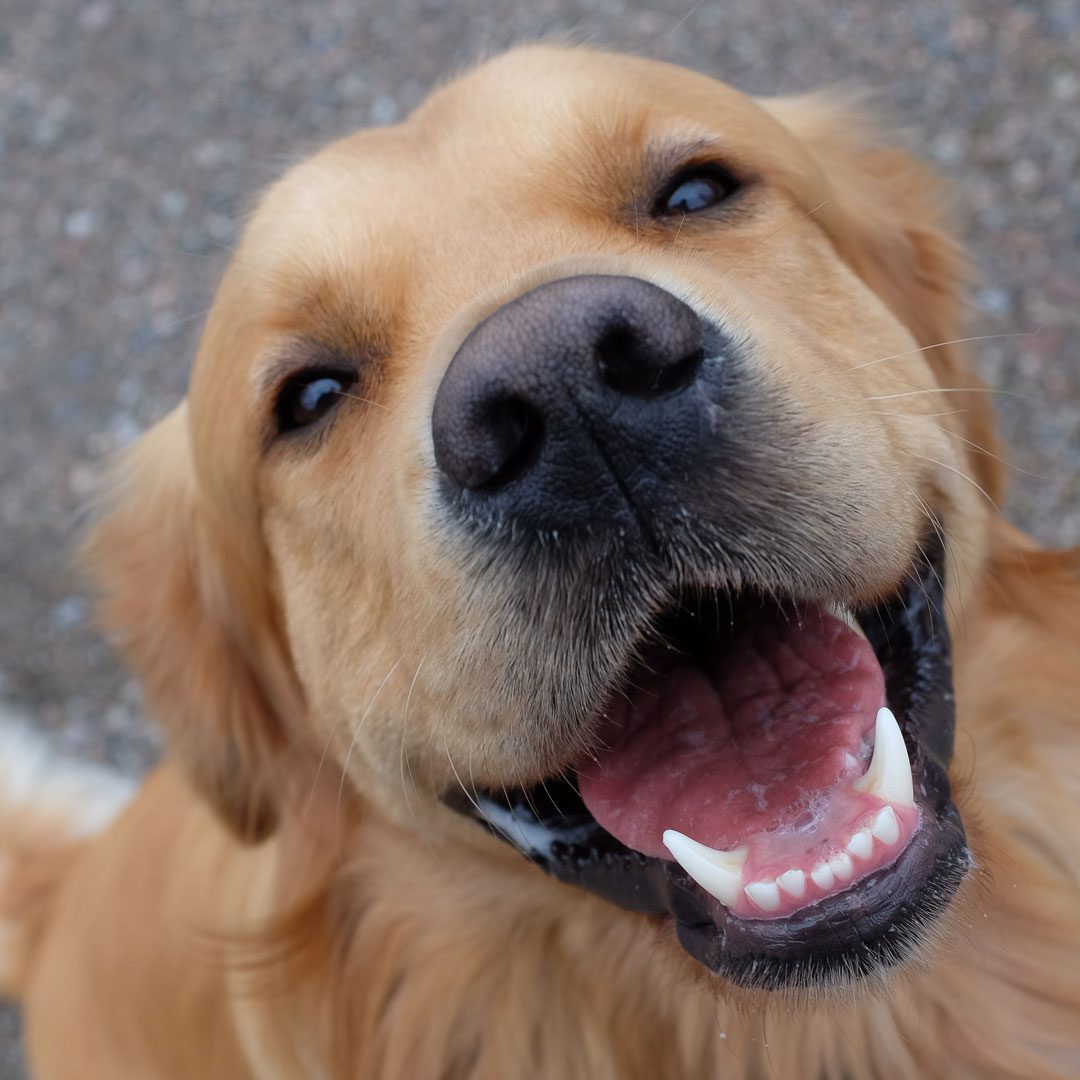
Bad breath may be easy to joke about, but dental disease is no small thing for pets. Plaque, tartar, and infection can cause pain below the gumline long before your dog or cat shows obvious signs at home.
Cat and dog teeth cleaning gives pets a much more thorough level of dental care than brushing or chews can provide. At Indian Peaks Veterinary Hospital, our pet dental cleanings in Boulder, CO include a full oral exam, digital dental X-rays, cleaning above and below the gumline, polishing, anesthesia monitoring, and pain control when needed.
If your pet has bad breath, visible tartar, red gums, trouble chewing, or is due for a dental exam, call or text us at (303) 938-9474.
How Will I Know If My Pet Has Dental Disease?
Pets often hide mouth pain. Many will keep eating even when they have inflamed gums, infected teeth, or painful disease under the surface.
Signs your pet may need dental care include:
Bad breath
Yellow or brown tartar buildup
Red, swollen, or bleeding gums
Dropping food while eating
Chewing on one side of the mouth
Excessive drooling
Loose, broken, or missing teeth
Pawing at the mouth
Facial swelling
Sneezing or nasal discharge
Less interest in toys, treats, or food
Lower energy or behavior changes
Untreated dental disease can lead to chronic pain, infection, tooth loss, difficulty eating, and a lower quality of life. Bacteria from the mouth can also enter the bloodstream and affect organs such as the heart, liver, and kidneys.
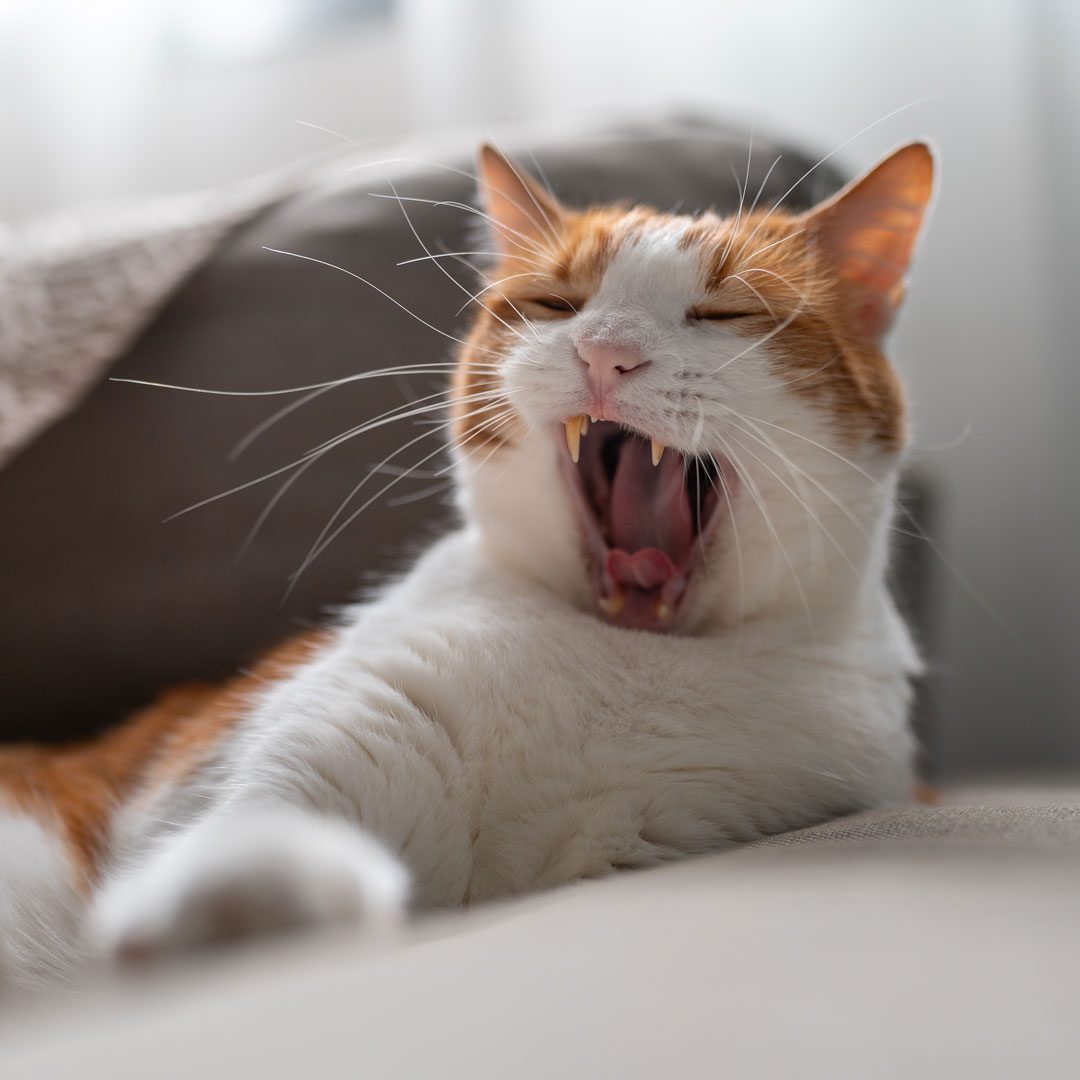
What Happens During My Pet's Dental Cleaning?
A professional dental cleaning allows our veterinarian to fully evaluate your pet’s mouth and treat disease where it often starts: below the gumline.
At Indian Peaks Veterinary Hospital, pet dental cleanings include:
A full oral exam of the teeth, gums, and mouth
Pre-anesthetic evaluation before the procedure
An individualized anesthesia plan
Continuous monitoring of heart rate, blood pressure, oxygen levels, and temperature
IV fluids to support a smoother recovery
Digital full-mouth dental X-rays to look below the gumline
Scaling to remove plaque and tartar from each tooth
Cleaning below the gumline
Polishing to smooth the tooth surface
Pain control when needed
If we find damaged, infected, or painful teeth, we’ll discuss the recommended next steps. Our team performs extractions and oral surgery when needed, and we focus on saving healthy teeth whenever possible.

What Should I Expect After My Cat or Dog’s Teeth Cleaning?
Most pets go home the same day after a dental cleaning. They may be a little sleepy from anesthesia and should rest quietly as they recover.
Your pet may have mild tenderness, especially if extractions or oral surgery were needed. We’ll send home detailed instructions, explain medications if prescribed, and let you know when your pet can return to normal meals and activity.
You may notice fresher breath, improved comfort, and better interest in food or toys once your pet’s mouth has healed. We’ll also talk with you about at-home dental care, follow-up needs, and when your pet should return for their next dental exam.
Dental Care That Helps Pets Feel Like Themselves Again
Dental disease can sneak up slowly, but the difference after treatment can be remarkable. Many pet owners notice their dog or cat seems brighter, more comfortable, and more interested in eating or playing once painful dental problems are addressed.
At Indian Peaks Veterinary Hospital, we take dental care seriously because your pet’s mouth affects how they feel every day. With full-mouth dental X-rays, careful anesthesia monitoring, clear treatment plans, and a team trained in low-stress handling, we work to make the experience safe, clear, and centered on your pet’s comfort.
If your pet is due for a dental exam or cleaning, contact us at (303) 938-9474 to set up a visit.
FAQ: Pet Dental Care
Anesthesia allows our veterinary team to clean below the gumline, take dental X-rays, and fully examine each tooth without stress or discomfort for your pet. Awake cleanings can make teeth look cleaner on the surface, but they cannot safely address disease under the gumline. Anesthesia also helps protect your pet from sudden movement during detailed dental work.
Yes. Dental pain can cause behavior changes that are easy to mistake for aging or personality shifts. Pets may become less playful, sleep more, avoid hard food, resist having their face touched, or seem irritable. Many pets act more comfortable once painful teeth or gum disease are treated.
Many dental problems are hidden below the gumline, where they cannot be seen during a visual exam. Full-mouth dental X-rays help identify fractured roots, bone loss, abscesses, retained teeth, and hidden infection. This helps our veterinarian make better treatment decisions and avoid missing painful problems.
Some pets need extractions if teeth are broken, loose, infected, or causing pain. If extractions are recommended, the goal is to remove disease and help your pet feel better. Dogs and cats usually adjust very well after painful teeth are removed, and many eat more comfortably once they heal.
At-home dental care can help slow plaque and tartar buildup between professional cleanings. Brushing is often the most effective option, but dental chews, rinses, and special diets may also help. Our veterinarian can recommend safe products that fit your pet’s needs and your routine.