
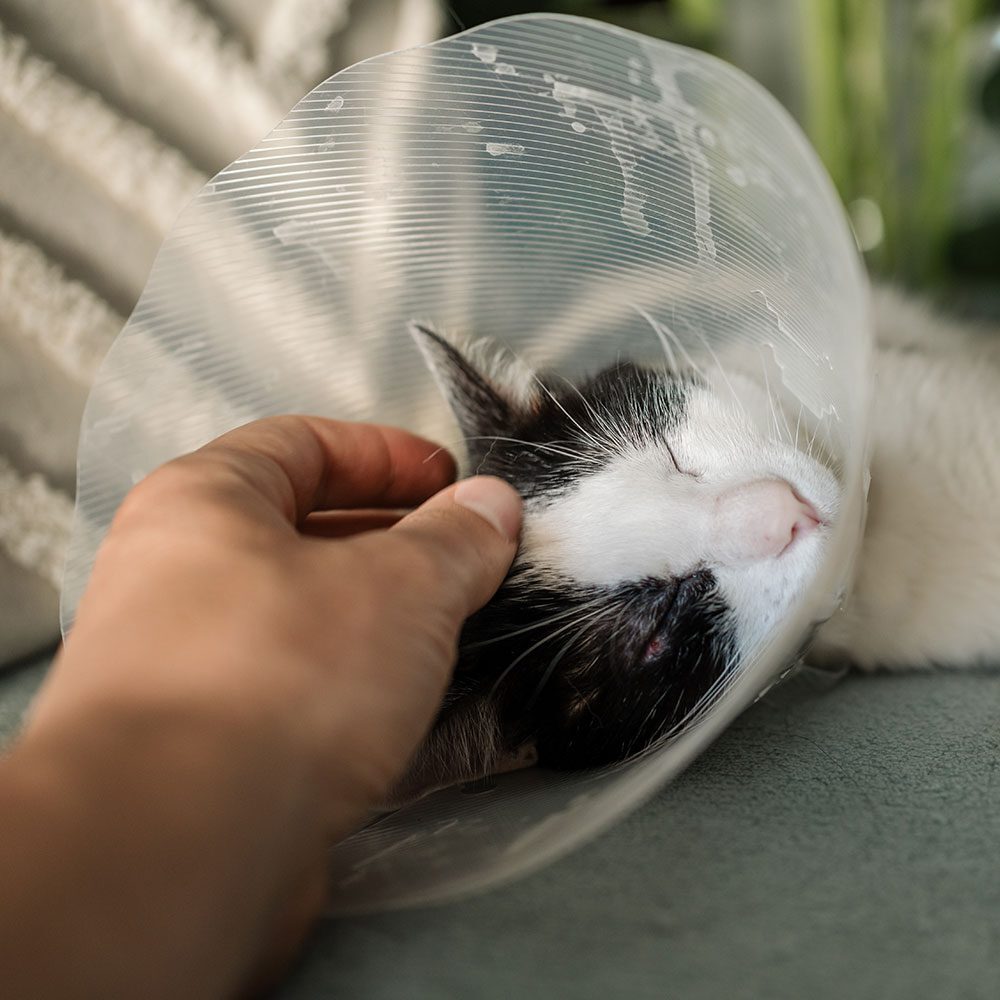
Sometimes your pet’s symptoms fall into that stressful middle ground: not clearly life-threatening, but definitely not something you want to ignore. Vomiting, limping, ear pain, coughing, eye irritation, or sudden behavior changes can leave you wondering whether to wait, call, or be seen right away.
If you need an urgent veterinarian in Boulder, CO, Indian Peaks Veterinary Hospital provides timely care for pets who are sick, uncomfortable, or injured during our regular hospital hours. Our team will help you decide whether your pet should come in, what to watch for, and when an emergency hospital is the safer choice.
If your pet is acting off or you’re unsure what to do next, call or text us at (303) 938-9474. We’ll help guide your next step.
When Does My Pet Need Urgent Care?
Urgent care is for problems that should be evaluated soon but may not require a 24-hour emergency hospital. These visits help pets get relief, answers, and treatment before symptoms worsen.
Your pet may need urgent veterinary care for:
Vomiting or diarrhea
Limping or sudden mobility changes
Ear pain, head shaking, or scratching
Eye redness, squinting, or discharge
Coughing, sneezing, or nasal discharge
Skin irritation, hot spots, or wounds
Scooting or anal gland discomfort
Urinary accidents or straining
Loss of appetite
Sudden lethargy
Minor bites, cuts, or abrasions
New lumps, swelling, or pain
Behavior changes that seem unusual for your pet
Some symptoms require emergency care instead of an urgent visit. If your pet is having trouble breathing, collapsing, having seizures, bleeding heavily, unable to urinate, showing signs of poisoning, or experiencing severe trauma, contact a 24-hour emergency veterinary hospital right away.
What to Expect During an Urgent Care Visit
When you call or text Indian Peaks Veterinary Hospital, our team will ask questions about your pet’s symptoms, how long they’ve been happening, and whether anything has changed suddenly. This helps us determine how quickly your pet should be seen and whether our hospital or an emergency facility is the best fit.
During the visit, our veterinarian will perform a physical exam and may recommend diagnostic testing such as bloodwork, X-rays, urinalysis, fecal testing, or cytology depending on your pet’s symptoms.
Once we have a clearer picture, we’ll explain what we found and discuss treatment options. That may include medication, wound care, fluids, pain relief, follow-up testing, or a referral if your pet needs advanced or overnight care.
Our goal is to help you leave with answers, a plan, and a clear understanding of what to watch for at home.
Emergency Veterinarians Near Boulder, CO
If your pet needs immediate veterinary care after our normal business hours, head to the emergency veterinary hospital nearest you.
We’re Here When Your Pet Needs Care
Pet symptoms can change quickly, and it is not always easy to know whether something is urgent or can wait. A quick call can help you avoid guessing.
At Indian Peaks Veterinary Hospital, we help Boulder pet owners sort through those in-between moments with practical guidance and timely care when available. If your pet is uncomfortable, suddenly acting different, or showing symptoms that concern you, reach out to our team.
We’ll help you decide the safest next step. Give us a call or text us at (303) 938-9474 for guidance.
FAQ: Urgent Vet Care
Please call or text before coming in. This allows our team to assess your pet’s symptoms, check availability, and prepare for your visit if your pet needs to be seen. Calling ahead also helps us direct you to an emergency hospital if your pet needs immediate or advanced care.
Urgent care is usually appropriate for symptoms that need prompt attention but are not immediately life-threatening. Emergency care is safer for severe symptoms such as difficulty breathing, collapse, seizures, uncontrolled bleeding, suspected poisoning, severe trauma, or inability to urinate. If you are unsure, call us and we can help guide you.
Yes. Depending on your pet’s symptoms, our veterinarian may recommend bloodwork, X-rays, urinalysis, fecal testing, or other diagnostics during an urgent visit. Testing helps us understand what is happening and choose the right treatment plan.
Bring any medications your pet is taking, recent medical records if your pet is new to us, and a timeline of symptoms. Photos or videos can also be helpful, especially for limping, coughing, unusual behavior, or intermittent symptoms that may not happen during the exam.
If your pet needs urgent or emergency care after our regular hospital hours, contact a nearby emergency veterinary hospital. Symptoms such as trouble breathing, collapse, seizures, severe pain, toxin exposure, uncontrolled bleeding, or inability to urinate should not wait until the next business day.