
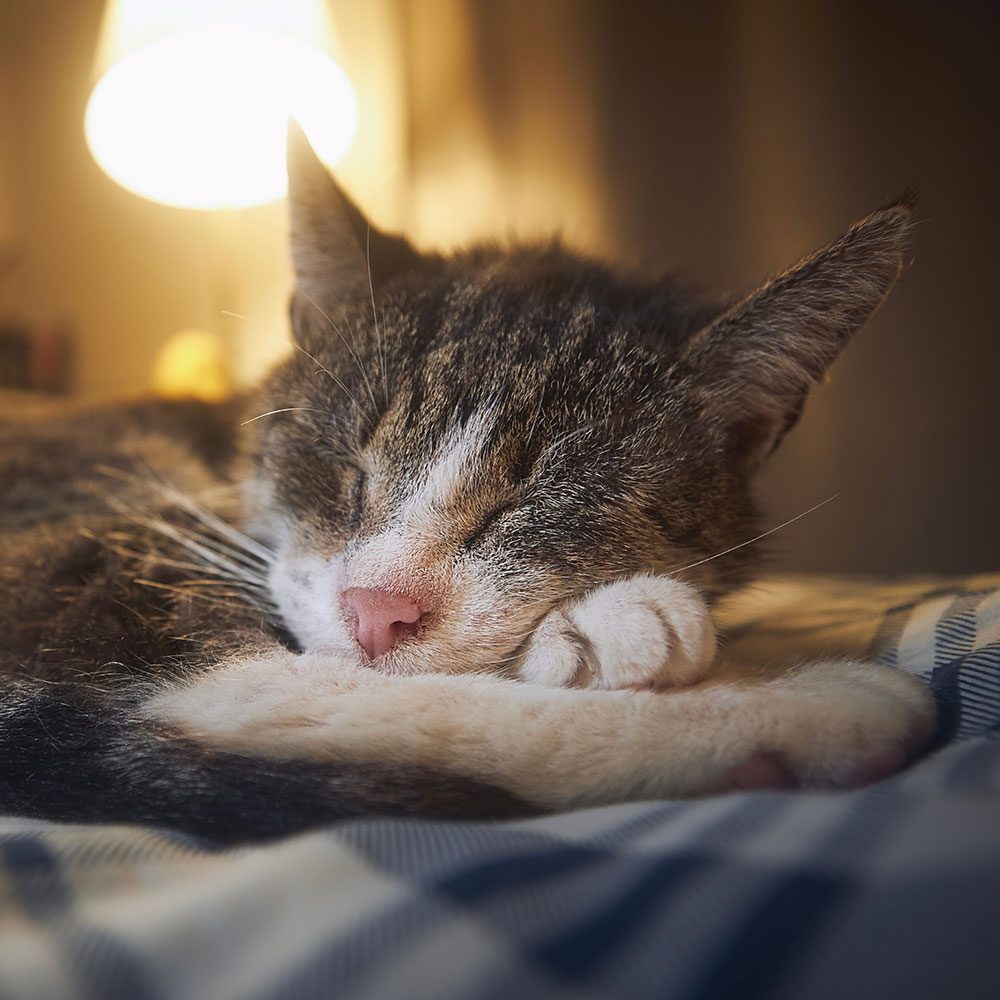
Growing older brings changes for all of us, including our pets. You may notice your dog slowing down on walks, your cat sleeping more than usual, or small changes in appetite, mobility, or behavior that leave you wondering what's normal and what deserves attention.
Senior cat and dog care focuses on staying ahead of those changes so your pet can continue enjoying life comfortably for as long as possible. At Indian Peaks Veterinary Hospital, we partner with families throughout Boulder, Louisville, Lafayette, Lyons, and surrounding Colorado communities to monitor age-related changes, manage chronic conditions, and help pets maintain a great quality of life.
If your pet is entering their senior years or you're noticing changes at home, call or text to schedule a senior wellness visit.
When Is a Pet Considered a Senior?
The answer depends on your pet's breed, size, and overall health, but many dogs and cats begin entering their senior years around 7 to 10 years of age, with larger breeds aging earlier.
While some pets seem to age overnight, many changes happen gradually. Common signs of aging include:
Slower movement or decreased stamina
Difficulty climbing stairs or jumping
Changes in weight or appetite
Increased thirst or urination
Cloudy eyes or changes in vision
Hearing loss
Bad breath or dental disease
New lumps or bumps
Confusion, anxiety, or changes in sleep patterns
Less interest in play or social interaction
Many of these changes can be managed successfully when they're identified early. That's one reason senior pets often benefit from wellness exams every six months instead of once yearly.
Senior Pet Care Services at Indian Peaks Veterinary Hospital
As pets age, routine wellness care becomes even more important. Our goal is to identify concerns early, help manage chronic conditions, and keep your pet comfortable and active.
Comprehensive Senior Wellness Exams
Senior pets can experience significant health changes in a relatively short period of time. Regular exams allow us to monitor trends, evaluate quality of life, and address concerns before they become bigger problems.
Diagnostic Testing
Many age-related conditions develop long before obvious symptoms appear. Depending on your pet's needs, we may recommend:
- Bloodwork to evaluate organ function and hormone levels
- Urinalysis to assess kidney and urinary health
- Blood pressure monitoring
- Weight tracking
- Additional screening tests based on age and medical history
Dental Care
Dental disease becomes increasingly common as pets get older and can affect much more than the mouth. Untreated dental problems can lead to chronic pain, difficulty eating, bad breath, tooth loss, and may contribute to issues affecting other parts of the body.
As part of your senior pet's care plan, we'll evaluate their oral health during routine exams and recommend dental cleanings, full-mouth dental X-rays, or treatment when needed. Keeping your pet's mouth healthy can improve comfort, appetite, and overall quality of life as they age.
Chronic Disease Management
Our team helps pets live comfortably with conditions commonly seen in older dogs and cats, including:
- Arthritis and mobility issues
- Kidney disease
- Thyroid disease
- Heart disease
- Cognitive changes associated with aging
As your pet’s needs change over time, you can count on our team to change with them, adjusting medications, therapies, and management protocols to allow for the best quality of life throughout their golden years.
Pain Management and Laser Therapy
Many pets experience chronic discomfort without obvious signs. We offer effective pain management strategies and laser therapy to help improve comfort, mobility, and day-to-day quality of life.
How to Help Your Senior Pet at Home
Veterinary care is only one piece of the puzzle. Small adjustments at home can make a big difference for aging pets.
Consider:
Providing supportive bedding
Using ramps or stairs for furniture and vehicles
Keeping food, water, and litter boxes easily accessible
Maintaining a healthy weight
Encouraging gentle, regular exercise
Watching for changes in appetite, mobility, behavior, or bathroom habits
Keeping up with routine wellness visits and diagnostic testing
Most importantly, trust your instincts. If something seems different, even if it's subtle, it's worth bringing up with our veterinarian.

More Support for Every Stage of Aging
At our privately owned animal hospital in Boulder, CO, we know that caring for a senior pet can bring both joy and uncertainty. Our team is here to help you navigate the changes that come with aging through clear communication, proactive care, and personalized recommendations.
Whether your pet is just beginning to slow down or needs ongoing support for a chronic condition, we'll work with you to create a plan focused on comfort, health, and quality of life.
If your senior dog or cat is due for a wellness visit, we'd love to help them continue enjoying their golden years. Give us a call or text us at (303) 938-9474.
FAQ: Senior Pet Care
Many older pets adjust quietly to discomfort or illness, so changes can be easy to miss. A senior visit gives your veterinarian a chance to spot patterns you may not notice day to day, especially when changes happen gradually. These appointments help us compare what’s normal for your pet now versus what may be changing over time.
Slowing down is common, but it should not be brushed off automatically. Stiffness, hesitation on stairs, shorter walks, or sleeping more can point to pain, arthritis, or an underlying health issue. A visit can help determine whether your pet needs support to move and rest more comfortably.
Maybe. Some senior pets benefit from a diet change, while others do best staying on their current food. Your veterinarian can help decide based on your pet’s weight, muscle condition, dental health, digestion, and any medical concerns.
Accidents can happen with aging pets, but they often have an underlying cause. Urinary changes may be linked to kidney disease, diabetes, arthritis, infection, or cognitive changes. It’s worth scheduling a visit instead of assuming it’s just old age.
Look at your pet’s normal routines: eating, resting comfortably, moving around, interacting with you, and enjoying favorite activities. If those habits start to change, your veterinarian can help you sort out what may be treatable and what support may improve comfort. This can give you a clearer picture of your pet’s day-to-day quality of life.