
A successful TPLO recovery shows steady, gradual progress: your dog starts toe-touching within days, bears more weight each week, passes the bone-healing X-ray around eight weeks, and returns to full activity between 12 and 16 weeks after surgery. Small setbacks happen, but the overall trend should point upward. Many owners feel unsure whether what they see at home is normal, especially in the first few days when bruising and swelling can look alarming. Knowing the typical milestones makes TPLO surgery recovery far less stressful and helps you spot problems early. At Indian Peaks Veterinary Hospital in Boulder, CO, we walk families through every stage of TPLO surgery recovery, from the first night home to the day their dog runs freely again. Because every dog’s TPLO surgery recovery follows a similar arc, this checklist breaks down what to expect week by week, so you can track progress with confidence and know when to call your veterinary team.
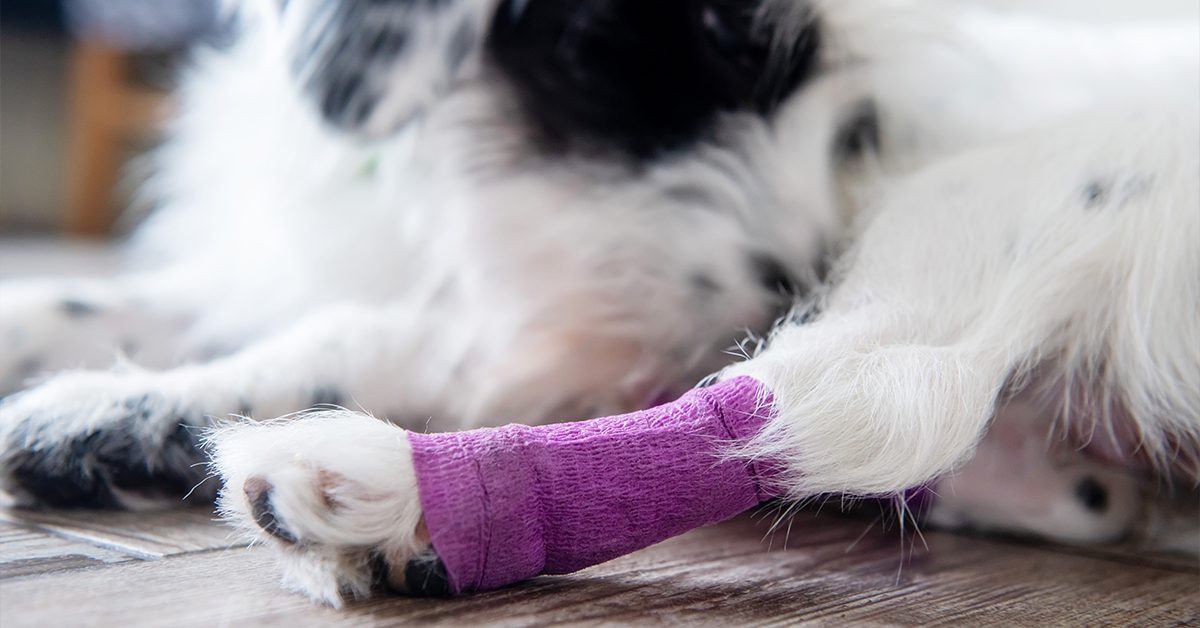
How Much Bruising and Swelling Is Normal After TPLO?
Some bruising and swelling is expected in the first two weeks of TPLO surgery recovery, and it often looks more dramatic than it really is.
Days 1 to 3: The Early Post-Op Picture
Right after surgery, at the very start of TPLO surgery recovery, the knee area typically looks puffy, and the incision may show slight redness along its edges. A small amount of clear or blood-tinged seepage can appear during the first day or two. Your dog will likely toe-touch or hold the leg up for short periods, which is a normal part of early TPLO surgery recovery.
Days 3 to 14: Gravity Moves the Bruise
Bruising often travels down the leg over several days, pooling around the ankle (hock) and sometimes turning purple, green, or yellow. Swelling at the ankle may increase for a few days before fading. Both changes are common and usually resolve within about two weeks as the body reabsorbs fluid. Owners are often surprised by how far the bruise spreads, but this pattern is a familiar sight during the first stage of TPLO surgery recovery.
Signs that generally fall within the normal range include:
- Mild warmth around the incision during the first several days
- Bruising that changes color and slowly fades
- Soft ankle swelling that decreases by the end of week two
- Some reluctance to bear full weight during the first week
- Sleeping more than usual for the first few days
When to Call Your Veterinarian
Contact your veterinary team promptly if swelling becomes firm and hot, the incision gapes or drains pus, a foul odor develops, or your dog stops eating, seems lethargic, or abruptly stops using the leg after improving. Calling early keeps minor issues from interrupting TPLO surgery recovery and gives your veterinarian the chance to evaluate the leg before a small concern grows.
When Does Strict Rest Give Way to Short Leashed Walks?
The shift from tight confinement to brief leash walks happens gradually and always follows your veterinarian’s specific plan for your dog’s TPLO surgery recovery.
Weeks 1 to 2: Confinement and Comfort
During the first two weeks, most dogs stay in a crate or small confined area, leaving only for brief, controlled bathroom breaks on a short leash. Many surgeons recommend a sling or towel under the belly for support on slippery surfaces. At the two-week recheck, your veterinarian typically examines the incision, removes sutures or staples if present, and evaluates how your dog’s TPLO surgery recovery is progressing.
Weeks 3 to 6: Building Controlled Activity
If the incision has healed and your dog is bearing weight well, your veterinarian will usually begin extending leash walks in small increments. These walks stay slow and controlled, without running, jumping, stairs, or rough play. By about week four, many dogs touch the foot down with most steps, and by week six, many walk with only a mild limp. Some dogs also begin formal rehabilitation sessions during this window, which can strengthen muscle and improve range of motion under professional supervision.
Common Pitfalls During This Stage
The middle weeks are often the hardest because dogs start feeling good long before the bone has healed. Their energy returns, and boredom sets in, which makes the middle of TPLO surgery recovery a real test of patience for the whole household. A sudden lunge at a squirrel or a leap onto the bed can stress the plate and screws, so following the timeline your veterinary team sets protects all the progress your dog has made. Ask your veterinarian about enrichment ideas, such as food puzzles, that fit within your dog’s activity restrictions. Staying consistent through this stretch is one of the strongest predictors of a smooth TPLO surgery recovery.
What Milestones Should Your Dog Reach at the Mid-Recovery X-Ray?
The follow-up X-ray, usually taken around eight weeks after surgery, confirms whether the bone has healed enough to allow more activity.
What Your Veterinarian Looks For
During TPLO, the surgeon cuts and rotates the top of the shinbone, then secures it with a plate and screws. The mid-recovery X-ray shows how well that cut has filled in with new bone. Key findings veterinarians evaluate include:
- Bone bridging across the surgical cut, with the line becoming less visible
- Plate and screws remaining in their original position without loosening
- No fractures or unusual changes near the implant
- Stable joint alignment compared with the post-surgical images
Physical Milestones at Eight Weeks
Along with the imaging, your veterinarian assesses how your dog moves. By this point in TPLO surgery recovery, most dogs bear weight consistently at a walk, show improving thigh muscle, and sit with the leg tucked more naturally underneath them. A mild limp after longer walks can still be normal. Your veterinarian may also gently flex and extend the knee to check comfort and range of motion. Together, the X-ray and physical exam give a clear snapshot of how TPLO surgery recovery is going and what the next phase should look like.
If Healing Takes Longer
Some dogs, particularly older or larger pets, heal more slowly. Factors such as age, body weight, overall health, and activity during the early weeks all influence how quickly bone fills in. If the X-ray shows incomplete bone healing, your veterinarian may extend the restricted activity period and schedule another check. A slower timeline doesn’t mean TPLO surgery recovery has failed; it simply means the bone needs a little more time before your dog takes on greater loads.
When Is It Safe for Your Dog to Return to Off-Leash Play?
Most dogs earn clearance for off-leash activity somewhere between 12 and 16 weeks after surgery, once the bone has healed and muscle strength has returned.
Weeks 8 to 12: The Rebuilding Phase
After a good X-ray, your veterinarian typically lengthens walks and may introduce gentle hills or controlled exercises to rebuild strength. Muscle mass that shrank during the injury and early recovery takes time to return, and this rebuilding phase protects the knee as activity increases. Many owners find this stage the most rewarding part of TPLO surgery recovery, since their dog’s personality and stamina start to shine again. Rehabilitation professionals often use exercises such as controlled walking on varied surfaces or underwater treadmill sessions to speed muscle gains safely.
Signs Your Dog May Be Ready
Before giving the green light, your veterinarian will want to see progress such as:
- A consistent, even gait at a walk and trot
- Thigh muscles that look close to symmetrical on both legs
- Comfortable sitting and standing without hesitation
- No limping the day after longer leash walks
Easing Back Into Full Activity
Even after clearance, most veterinarians recommend reintroducing off-leash play gradually rather than heading straight to the dog park or a long trail run. Short, supervised sessions in a fenced area let your veterinarian and you judge how the knee handles quick turns and bursts of speed. Full athletic conditioning can take four to six months, especially for working dogs, agility competitors, and frequent trail companions. Remember that the opposite knee also faces extra strain during TPLO surgery recovery, so your veterinarian may continue to monitor both legs at future visits. Following that gradual approach gives your dog the best chance to enjoy the long-term benefits of a successful TPLO surgery recovery.
Tracking Your Dog’s TPLO Progress With a Boulder Veterinary Team
Every dog heals at a slightly different pace, and comparing your pet’s timeline to a neighbor’s dog rarely tells the whole story, but a successful recovery always shows forward momentum: improving weight-bearing, a healing incision, a solid X-ray, and a steady return of strength and confidence. Knowing what’s normal at each stage of TPLO surgery recovery helps you relax during the good days and act quickly if something changes. The team at Indian Peaks Veterinary Hospital supports Boulder families through every recheck, X-ray, and activity milestone, answering questions along the way so you never have to guess. If your dog is preparing for surgery, currently recovering, or showing a symptom that worries you, call Indian Peaks Veterinary Hospital at (303) 938-9474 to talk with our team or schedule a progress exam. We’re here to help your dog move from crate rest to carefree play as safely as possible.