
Dog TPLO surgery, short for tibial plateau leveling osteotomy, is an orthopedic procedure that repairs knee instability caused by a torn cranial cruciate ligament (the canine version of the ACL). Instead of replacing the damaged ligament, a veterinary surgeon changes the angle of the top of the shinbone so the knee stays stable on its own. For active dogs here in Boulder, that often means getting back to trail walks, fetch, and everyday zoomies after a carefully guided recovery.
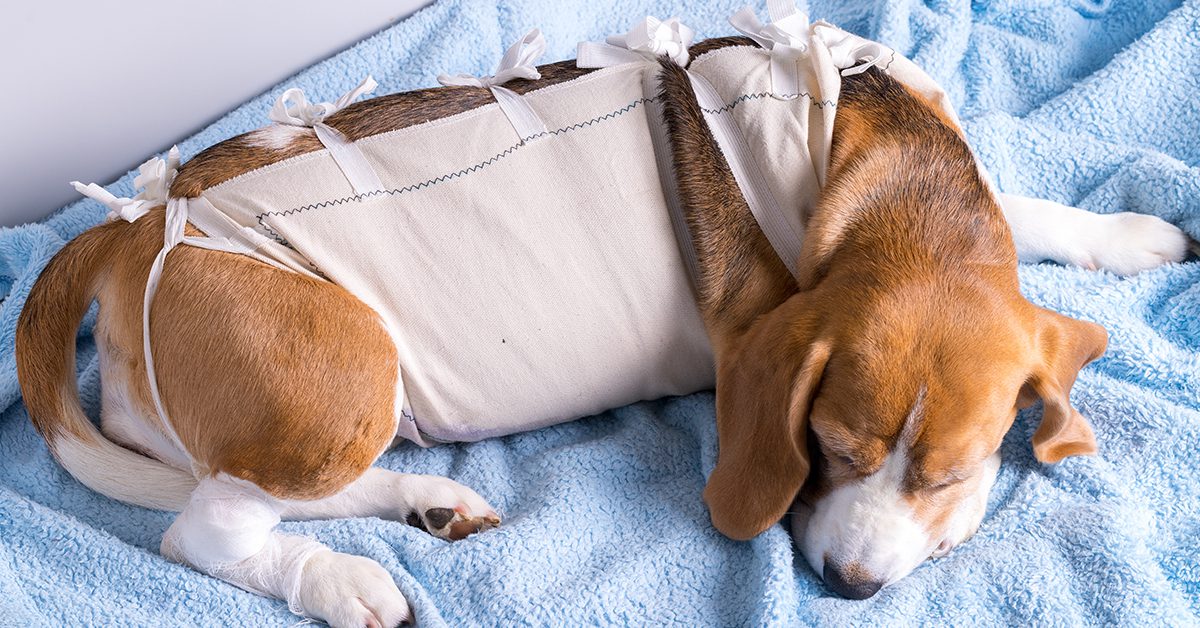
If your veterinarian has mentioned a cruciate tear, you probably have plenty of questions. How does the surgery work? Why did the ligament fail in the first place? What does the healing timeline really look like? At Indian Peaks Veterinary Hospital, we believe informed pet owners make the best partners in recovery. This guide walks through the essentials of dog TPLO surgery so you know what to expect at every stage, from diagnosis to the day your pup is cleared for full activity.
What Exactly Is a TPLO, and How Does It Stabilize a Dog’s Knee?
Dog TPLO surgery works by changing the mechanics of the knee rather than repairing the torn ligament itself.
In a healthy dog, the top of the tibia (called the tibial plateau) sits at a slope. Every time your dog puts weight on the leg, that slope encourages the femur to slide backward down the tibia. The cranial cruciate ligament acts like a tether that prevents this sliding motion, which veterinarians call “tibial thrust.” Once the ligament tears, nothing holds the bones in place, and the knee becomes painful and unstable with each step.
How the Procedure Changes the Joint
During dog TPLO surgery, the surgeon makes a precise curved cut in the top of the tibia, rotates the plateau to a flatter angle, and secures it in the new position with a specialized bone plate and screws. With a level surface, the femur no longer slides when your dog bears weight. The knee becomes stable through physics instead of through a ligament that can no longer do its job.
Why Many Surgeons Prefer This Approach
Veterinary surgeons have several cruciate repair options, but dog TPLO surgery is often recommended for specific patients because of its long-term results. Common reasons include:
- It suits medium, large, and giant breeds that place heavy forces on their knees
- It supports a strong return to athletic activity for working and sporting dogs
- It may slow the progression of arthritis compared with leaving the knee unstable
- It does not depend on an artificial ligament or suture that can stretch or break over time
Your veterinarian will consider your dog’s size, age, activity level, and overall health before recommending dog TPLO surgery or another technique. The right choice is always individual.
Why Is the Canine ACL Actually Called a CCL, and Why Does It Tear?
The naming difference comes down to anatomy and posture, and the cause of injury in dogs is quite different from what happens in people.
In humans, the anterior cruciate ligament (ACL) gets its name from its position relative to our upright stance. Dogs walk on four legs, so veterinarians use the term “cranial,” meaning toward the head. The cranial cruciate ligament (CCL) performs the same basic role as the human ACL, connecting the femur to the tibia and preventing forward shifting of the shinbone. Pet owners often use “ACL” and “CCL” interchangeably, and that is perfectly fine when talking with your vet team.
Degeneration, Not Just a Bad Landing
Human ACL tears usually happen suddenly during a sports injury. In dogs, CCL rupture is most often the result of gradual degeneration. The ligament weakens over months or years, develops small partial tears, and eventually fails during an ordinary activity like jumping off the couch or chasing a squirrel. Factors that contribute to this breakdown include:
- Genetics, with breeds like Labrador Retrievers, Rottweilers, Newfoundlands, and Golden Retrievers at higher risk
- Excess body weight that adds strain to the knee
- A naturally steep tibial plateau angle
- Inconsistent activity, such as quiet weekdays followed by intense weekend adventures
Signs That Point to a Cruciate Problem
Owners often notice sudden or intermittent limping on a back leg, sitting with one leg kicked out to the side, stiffness after rest, or reluctance to jump into the car. Studies show that a significant percentage of dogs with one torn CCL will eventually tear the ligament in the other knee, which is why an early exam matters. A veterinarian can confirm the diagnosis with a physical exam and X-rays, then discuss whether dog TPLO surgery is the right path forward.
What Are the Primary Goals of the First 12 Weeks of TPLO Recovery?
The first three months after dog TPLO surgery focus on letting the bone heal properly while gradually rebuilding strength under veterinary guidance.
The cut in the tibia needs time to fuse, much like a fracture. Most dogs begin touching the leg to the ground within days, which can make them seem ready for more activity long before their bones actually are. That gap between how a dog feels and how far healing has progressed is the biggest challenge of dog TPLO surgery recovery. Every patient receives an individualized plan, and your veterinary team will tailor activity levels and timelines to your dog’s progress.
Weeks One Through Two: Comfort and Incision Healing
The early goals center on pain control, protecting the incision, and strictly limiting movement. Your dog will likely go home with prescribed medications, an e-collar, and specific instructions about confinement. Following those directions exactly is the most important thing you can do during this window.
Weeks Three Through Eight: Controlled Progress
Once the incision has healed, the focus shifts toward steady, measured improvement. Your veterinarian may introduce short, controlled leash walks and recommend professional rehabilitation therapy. Many dogs benefit from working with a certified canine rehab practitioner who can guide safe muscle rebuilding.
Weeks Eight Through Twelve: Confirming Bone Healing
Follow-up X-rays, usually around eight weeks, show whether the bone has healed enough for increased activity. The overarching goals of this phase include:
- Confirming the osteotomy has fused on radiographs
- Restoring muscle mass the leg lost during inactivity
- Regaining a full, comfortable range of motion in the knee
- Building toward a safe, gradual return to normal routines
Patience during these twelve weeks pays off with a stronger, more reliable outcome after dog TPLO surgery.
What Are the Most Common Complications to Watch for During the Healing Process?
Most dogs recover from dog TPLO surgery without major setbacks, but knowing the warning signs helps you catch problems early and contact your veterinarian promptly.
Complication rates after dog TPLO surgery are relatively low, and the majority of issues are minor and manageable when addressed quickly. The most frequent problems stem from too much activity too soon or from a dog licking or chewing at the incision. That is why confinement and the e-collar play such a big role in the early weeks of dog TPLO surgery recovery.
Incision and Infection Concerns
Check the incision daily as directed by your vet team. Redness, swelling, discharge, a foul odor, or gaps in the skin can signal infection or delayed healing. Infections occasionally involve the implant itself, and these situations require veterinary treatment rather than home care.
Implant and Bone Issues
Less commonly, a screw may loosen, the plate may shift, or the bone may heal more slowly than expected. A small number of dogs also experience a fracture near the surgical site, usually linked to excessive activity during healing. Recheck X-rays are designed to catch these issues before they become serious.
Meniscal Injury After Surgery
The meniscus is a cushion of cartilage inside the knee. Some dogs develop a meniscal tear weeks or months after dog TPLO surgery, which often shows up as a new or worsening limp, sometimes with a clicking sound. If your dog suddenly starts limping again after steady improvement, call your veterinarian right away rather than waiting for the next scheduled visit.
Any sudden decline in leg use, loss of appetite, lethargy, or signs of significant pain warrant a prompt call to your veterinary team.
Supporting Your Dog’s Return to an Active Boulder Lifestyle
Recovering from dog TPLO surgery is a team effort between you, your dog, and your veterinary professionals. With proper planning, consistent follow-up visits, and a commitment to the recovery plan, most dogs return to the walks, hikes, and games they love. Long-term success also depends on weight management, regular exercise, and routine checkups to monitor the opposite knee and any developing arthritis.
The team at Indian Peaks Veterinary Hospital in Boulder, CO, is here to help you understand your dog’s diagnosis, explore treatment options, and navigate each stage of healing with confidence. Whether your dog has just started limping or you are preparing for an upcoming procedure, we are happy to answer your questions about dog TPLO surgery and the road to recovery.
To schedule a dog TPLO surgery consultation, an orthopedic evaluation, or a post-surgical recheck, call Indian Peaks Veterinary Hospital at (303) 938-9474 today.
//