
A bump on your dog’s gum can range from a harmless, benign growth to a fast-growing oral tumor, and the only way to tell the difference is through a hands-on veterinary exam, often combined with a biopsy. It’s an unsettling moment for any pet owner: you’re checking your dog’s teeth, or simply notice it while they yawn, and there’s a growth in your dog’s mouth that wasn’t there before. At Indian Peaks Veterinary Hospital in Boulder, Colorado, new oral masses are taken seriously from the very first appointment, because early evaluation makes a meaningful difference in outcomes.
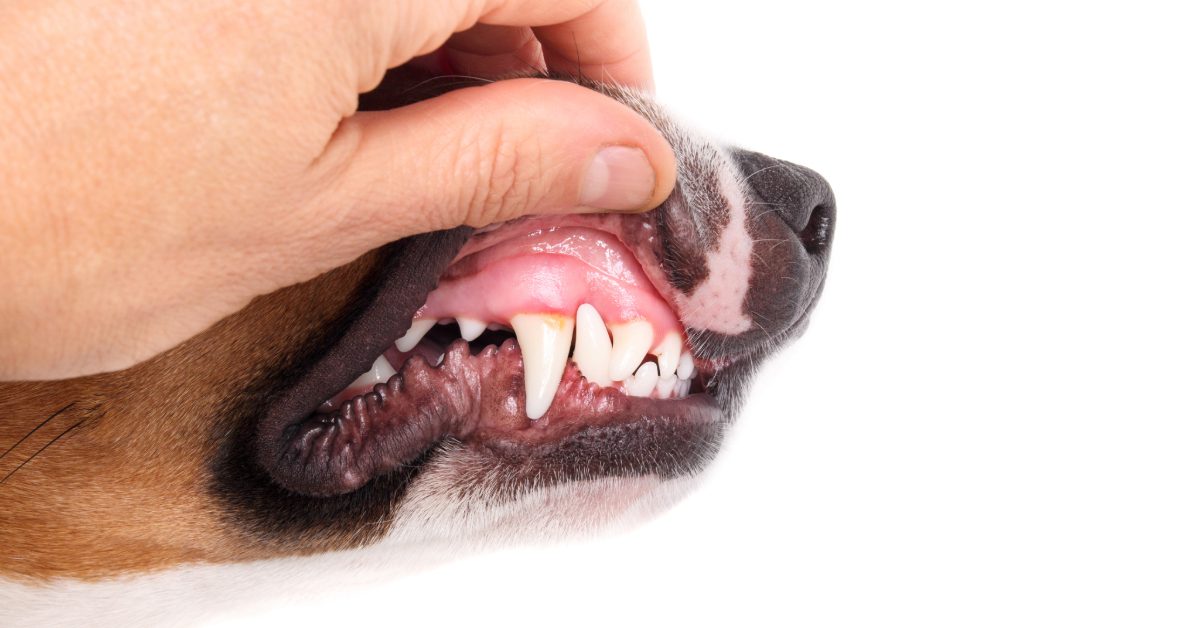
What Are the Most Common Types of Oral Growths Found in Dogs?
Not every growth in a dog’s mouth is cancerous, but several different types can look similar to the untrained eye, which is exactly why a veterinary evaluation matters before assuming the best, or the worst.
Some of the more common types of growth in a dog’s mouth include:
- Epulis: A common, typically benign growth arising from the gum tissue, often slow-growing
- Papilloma: A wart-like growth, especially in younger dogs, often caused by a virus and frequently resolves on its own
- Malignant melanoma: An aggressive and often pigmented tumor that can spread quickly if not caught early
- Squamous cell carcinoma: A locally invasive tumor that can affect the jawbone if left untreated
- Fibrosarcoma: A tumor arising from connective tissue that tends to grow steadily over time
Why Appearance Alone Isn’t a Reliable Clue
Two very different types of growths can look almost identical to the naked eye, while two growths that look very different can turn out to be the same diagnosis. Color, size, and texture offer some clues, but they’re not enough on their own to determine whether a growth in a dog’s mouth is benign or something more serious.
Which Breeds Are More Prone to Oral Growths?
Some breeds show a higher tendency toward specific types of oral masses. Boxers and Golden Retrievers are more commonly diagnosed with epulis growths, while breeds with dark pigmentation, such as Chow Chows and Scottish Terriers, face a somewhat elevated risk of oral melanoma. Breed tendencies are useful background information, but they never replace an actual exam and biopsy when a new growth in a dog’s mouth appears.
When Does an Oral Bump Require an Immediate Emergency Veterinary Visit?
While any new growth in a dog’s mouth deserves a veterinary exam, certain signs suggest the situation needs attention right away rather than waiting for a routine appointment.
Signs that point toward an urgent or emergency evaluation include:
- Rapid growth noticed over just days or weeks
- Bleeding from the mass, especially without an obvious injury
- Visible difficulty eating, drooling, or dropping food
- A foul odor coming specifically from the area of the growth
- Facial swelling or asymmetry alongside the growth in your dog’s mouth
If your dog is showing any of these signs, contacting your veterinarian promptly, rather than monitoring at home, gives the best chance of catching a fast-growing or aggressive tumor before it spreads further.
What to Do While You Wait for Your Appointment
Avoid poking, squeezing, or otherwise disturbing the growth in your dog’s mouth, since this can cause unnecessary bleeding or irritation without providing any useful information. Simply note when you first noticed the mass, whether it seems to be changing, and any other symptoms you’ve observed, so you can share those details with your veterinarian during the exam.
Why Is Early Biopsy and Diagnostics Crucial for Any New Mouth Growth?
A biopsy, where a small sample of tissue from the growth is examined under a microscope, remains the only definitive way to determine exactly what an oral mass is. Visual exams and imaging can suggest a likely diagnosis, but only a biopsy confirms it.
What Diagnostics Typically Involve
A thorough workup for a growth in a dog’s mouth often includes a physical exam, dental X-rays or advanced imaging to see how deep the mass extends into surrounding bone, and a biopsy sent to a pathology lab. In some cases, lymph nodes are also checked to see whether cells from the growth have spread beyond the original site.
The Cost of Waiting on Diagnostics
Tumors that are caught small and localized are generally far easier to treat successfully than those discovered after months of growth. Delaying a biopsy on a growth in a dog’s mouth, hoping it resolves on its own, can allow an aggressive tumor the time it needs to invade surrounding bone or spread to other areas of the body.
What Are the Treatment Options for Different Types of Canine Oral Masses?
Treatment for a growth in a dog’s mouth depends entirely on what the biopsy reveals, which is why diagnostics come before any treatment plan is finalized. For benign growths like an epulis, surgical removal is often curative, particularly when the mass is caught while still small. Papillomas frequently resolve without intervention as a dog’s immune system clears the virus, though persistent or bothersome growths can be removed. Malignant tumors, including melanoma, squamous cell carcinoma, and fibrosarcoma, typically require a more aggressive surgical approach to remove the mass along with a margin of healthy tissue, and may involve referral to a veterinary oncologist for additional treatment depending on the type and stage of the tumor.
Follow-Up Care After Treatment
Whether a growth turns out to be benign or malignant, your veterinarian will typically recommend a follow-up exam to confirm the surgical site is healing properly and that no new growths have appeared. For dogs treated for a malignant oral mass, periodic rechecks and imaging help catch any recurrence early, when treatment options tend to be more effective.
Getting a Growth in Your Dog’s Mouth Checked in Boulder
A new bump on your dog’s gum is never something to ignore, even if it looks small or your dog seems otherwise unbothered by it. The difference between a benign growth and an aggressive oral tumor often comes down to how early it’s evaluated and biopsied. If you’ve noticed a growth in your dog’s mouth, our team at Indian Peaks Veterinary Hospital in Boulder, Colorado, can perform the exam and diagnostics needed to determine exactly what you’re dealing with and recommend the right treatment path for your dog’s long-term health. Call us at (303) 938-9474 today.