
Yes, anesthesia for pets is considered very safe for the vast majority of dogs and cats, thanks to modern monitoring equipment, tailored drug protocols, and pre-anesthetic screening that catches risk factors before they become problems. Even so, it’s completely normal to feel nervous the night before your pet’s procedure. At Indian Peaks Veterinary Hospital in Boulder, Colorado, anesthesia questions come up almost every day, whether a pet is scheduled for a dental cleaning, a spay or neuter, or a more involved surgery. This blog will help you understand what actually happens during anesthesia, and the safeguards built into the process, so you can turn that anxiety into confidence.
What Protocols Do Veterinarians Use to Minimize Anesthesia Risks for Pets?
Veterinary anesthesia today looks very different from what it did even a decade ago. Rather than using a single, one-size-fits-all approach, veterinarians build an anesthesia plan around each individual pet’s age, breed, weight, and overall health.
Common safety measures built into a modern anesthesia for pets protocol include:
- Pre-anesthetic bloodwork to screen for hidden organ or metabolic issues
- Placement of an IV catheter for immediate access to fluids or emergency medication
- Use of multiple, lower-dose medications in combination rather than one heavy dose
- Continuous monitoring by a trained veterinary technician throughout the procedure
- A dedicated recovery period where your pet is watched closely as the medications wear off
Why Individualized Dosing Matters
Two dogs of the same breed and weight can metabolize anesthesia very differently depending on liver and kidney function, stress level, and underlying health. That’s why a thorough pre-anesthetic workup, not just a standard chart based on body weight, plays such a central role in keeping anesthesia for pets as safe as possible.
Why “Anesthesia-Free” Dentistry Isn’t a Safer Alternative
Some pet owners look into anesthesia-free dental cleanings hoping to avoid anesthesia altogether, but this approach only scrapes visible tartar from the surface of the teeth. It can’t safely clean below the gumline, can’t capture dental X-rays, and carries its own stress and injury risk for an awake pet being restrained. Veterinary dental organizations generally consider anesthesia for pets, performed with proper monitoring, to be far safer overall than attempting a thorough cleaning without it.
How Do Age and Pre-Existing Conditions Affect My Pet’s Anesthesia Safety?
Age alone isn’t a reason to avoid anesthesia, but it does change the conversation. Senior pets and those with chronic health conditions require extra precautions, not because anesthesia is inherently more dangerous for them, but because their bodies have less reserve to compensate for changes in blood pressure or oxygen levels.
Anesthesia in Senior Pets
Older dogs and cats often have age-related changes in heart, kidney, or liver function that may not be obvious day to day. Pre-anesthetic bloodwork and sometimes additional diagnostics, like chest X-rays, abdominal ultrasounds, or an EKG, help your veterinarian understand exactly what they’re working with before your pet ever goes under anesthesia. With this information in hand, the anesthesia plan can be adjusted in advance rather than reacted to during the procedure, which is a major reason age-related anesthesia complications are far less common today than they once were.
Anesthesia With Heart, Kidney, or Respiratory Conditions
Pets with known heart murmurs, kidney disease, or breathing difficulties, including brachycephalic breeds like Bulldogs and Pugs, need an anesthesia plan adjusted specifically for their condition. This might mean different medication choices, closer monitoring, or additional support like supplemental oxygen before and after the procedure. Brachycephalic breeds in particular benefit from extra attention during recovery, since their airway anatomy can make breathing more labored while they’re still groggy. None of this means these pets can’t safely undergo anesthesia; it simply means the plan is more individualized.
What Vital Signs Are Monitored While My Pet Is Under General Anesthesia?
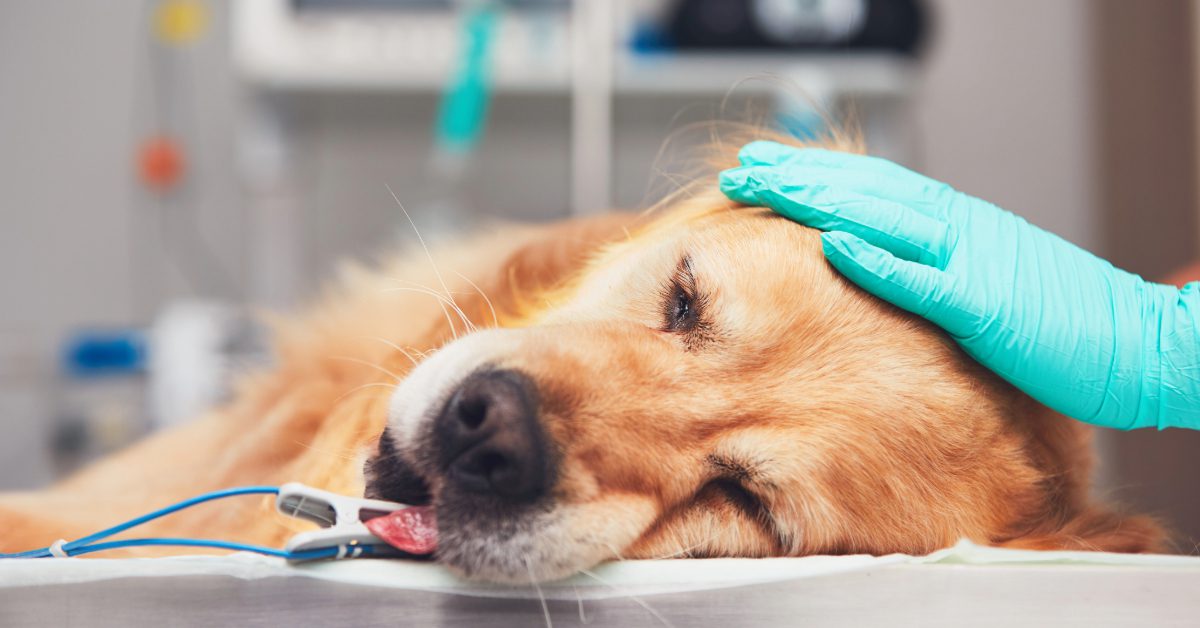
One of the biggest advances in veterinary anesthesia safety is the level of monitoring now considered standard practice. While your pet is under anesthesia, a trained member of our team tracks several vital signs continuously, not just checked periodically.
Monitoring during anesthesia for pets typically includes:
- Heart rate and rhythm via continuous ECG
- Blood oxygen saturation through pulse oximetry
- Blood pressure, checked at regular intervals throughout the procedure
- Respiratory rate and depth
- Body temperature, since pets can lose heat quickly under anesthesia
- Carbon Dioxide levels
This real-time information allows our veterinary team to catch and correct small changes immediately, long before they could become serious complications. If any value drifts outside a safe range, adjustments to medication, fluids, or temperature support happen right away.
Recovery Monitoring Matters Just as Much
The period right after anesthesia, as the medications wear off, is just as closely watched as the procedure itself. Your pet stays under direct observation until they’re alert, breathing normally, and able to maintain their own body temperature before heading home. It’s common for pets to seem a little groggy or unsteady for the rest of the day, which is expected and typically resolves on its own as the medications fully clear.
What Happens If Something Changes Mid-Procedure?
If monitoring equipment flags a change, such as a drop in blood pressure or a dip in oxygen saturation, our veterinary team has protocols ready to respond immediately. This might involve adjusting fluid rates, administering supportive medication, or providing additional oxygen. Having a dedicated team member focused solely on monitoring, separate from whoever is performing the dental work or surgery, means these changes are caught and addressed within moments rather than going unnoticed.
Talking to Your Veterinarian About Anesthesia for Your Pet
Every pet’s anesthesia plan should reflect their individual health, age, and the procedure being performed, which is exactly why a conversation with your veterinarian beforehand matters so much. Bring up any concerns about your pet’s breed, past reactions to medication, or current health conditions well before the day of the procedure, so the anesthesia plan can be adjusted accordingly. If you have specific concerns, whether your pet is a senior, has a pre-existing condition, or you’re simply nervous for the first time, our team at Indian Peaks Veterinary Hospital in Boulder, Colorado, can walk through the exact monitoring and safety measures planned for your pet’s procedure so you feel informed every step of the way. Call us at (303) 938-9474 today.