
A little bleeding from your dog’s gums during a vigorous game of tug or an enthusiastic brushing session can be normal, but gums that bleed easily, frequently, or without an obvious cause are usually an early sign of gum disease in dogs. Many owners assume bleeding gums are just a minor irritation, similar to a scraped knuckle, but in dogs this symptom often points to gingivitis or, in more advanced cases, periodontal disease that’s already affecting the bone supporting the teeth. At Indian Peaks Veterinary Hospital in Boulder, Colorado, distinguishing between these two stages is one of the first steps in protecting a dog’s long-term oral and overall health.
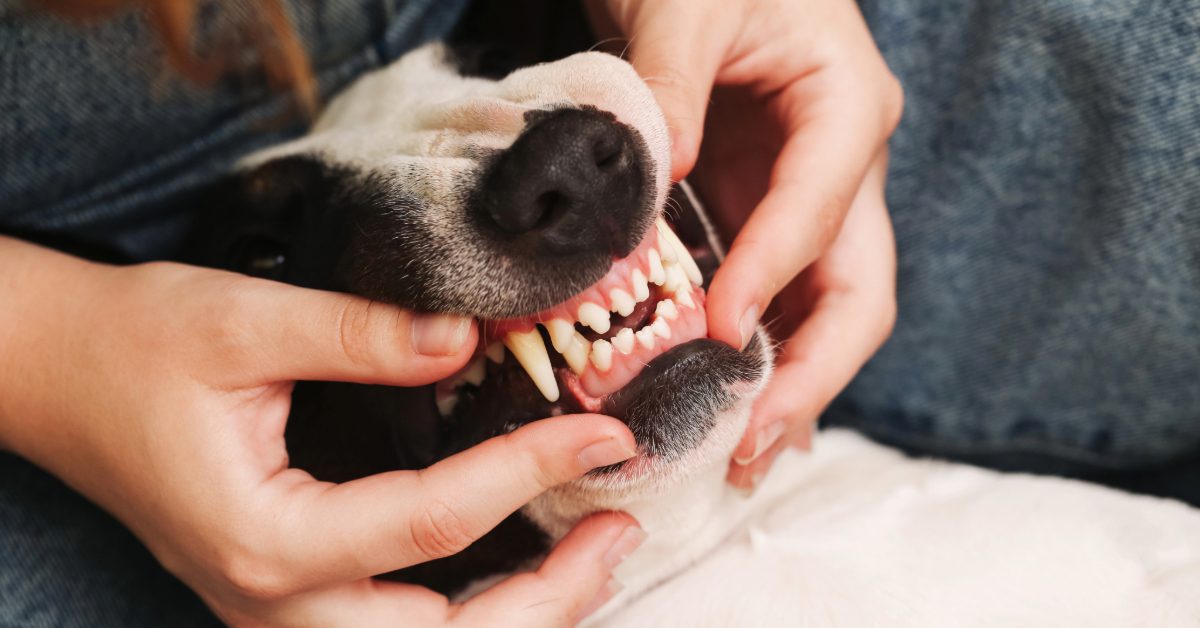
Is It Normal for a Dog’s Gums to Bleed During Play or Brushing?
Occasional, light bleeding from a hard chew toy or a slightly too-rough brushing session usually isn’t a red flag on its own. What matters more is the pattern: does it happen once, or does it happen almost every time your dog chews or you brush their teeth?
Gum bleeding that suggests an underlying issue tends to come with other clues:
- Gums that look red, swollen, or puffy along the gumline rather than a healthy pink
- Bleeding that happens with light pressure, not just hard chewing
- Bad breath that accompanies the bleeding
- Gums that bleed in the same specific area repeatedly
When Bleeding Signals Gingivitis
If your dog’s gums bleed easily and look inflamed but the teeth themselves are still firmly in place, gingivitis, the earliest stage of gum disease in dogs, is the most likely explanation. This stage is reversible with proper veterinary care, which is exactly why catching it early matters so much.
How Often Should Gums Be Checked at Home?
Getting in the habit of lifting your dog’s lip to glance at the gumline every week or two helps you notice changes early, before they progress. You’re not diagnosing anything yourself, simply watching for color changes, swelling, or bleeding that would prompt your veterinary exam sooner rather than later.
What Are the Visual Stages of Periodontal Disease in Domestic Pets?
Gum disease in dogs typically progresses through a few recognizable stages, and understanding where your dog falls on that spectrum helps explain why some cases need only a cleaning while others require more involved treatment.
- Stage 1, Gingivitis: Gums appear red or swollen along the edge, with mild bleeding and no bone loss yet. Fully reversible with a professional cleaning.
- Stage 2, Early Periodontal Disease: Gum recession begins, with up to 25 percent bone loss visible on dental X-rays.
- Stage 3, Moderate Periodontal Disease: Noticeable gum recession, loose teeth, and 25 to 50 percent bone loss.
- Stage 4, Advanced Periodontal Disease: Severe bone loss exceeding 50 percent, often with visibly loose or missing teeth and significant discomfort.
By the time a dog reaches stage 3 or 4, the damage to the bone and ligaments holding teeth in place generally can’t be reversed, only managed, which usually means extracting the most severely affected teeth.
Why Does Gum Inflammation Pose a Threat to My Dog’s Heart and Kidneys?
Bleeding, inflamed gums aren’t just a localized problem confined to the mouth. Every time a dog chews, brushes against something, or even eats, bacteria from inflamed gum tissue can enter the bloodstream.
Once in circulation, this bacteria can settle in and affect other organs over time:
- The heart, where chronic bacterial exposure has been linked to inflammation of the heart valves
- The kidneys, which filter blood and can sustain damage from ongoing low-grade infection
- The liver, which processes toxins and inflammatory byproducts circulating from the mouth
This connection between gum disease in dogs and broader organ health is a major reason veterinarians treat bleeding gums as more than a cosmetic issue, even when a dog otherwise seems perfectly healthy.
Breeds That Face a Higher Risk
Small and toy breeds, including Yorkshire Terriers, Dachshunds, and Chihuahuas, tend to develop gum disease earlier and more severely than larger dogs, largely due to crowded teeth and a genetic predisposition toward periodontal disease. Owners of these breeds benefit from more frequent dental checkups, since gum disease in dogs of these breeds can progress faster than owners might expect.
Can a Professional Dental Cleaning Reverse the Early Signs of Gum Disease?
The good news is that gingivitis, the earliest and most common stage of gum disease in dogs, is highly responsive to treatment. A professional dental cleaning performed under anesthesia removes plaque and tartar from above and below the gumline, allowing inflamed tissue to heal and gums to return to a healthy pink color.
At Indian Peaks Veterinary Hospital, a dental cleaning for a dog showing early gum inflammation typically includes a full oral exam, scaling and polishing of the teeth, and dental X-rays to confirm there’s no hidden bone loss beneath the surface. For dogs who’ve progressed further into periodontal disease, the cleaning may be combined with extractions of any teeth that are no longer salvageable, stopping the cycle of inflammation at its source.
Maintaining Healthy Gums After Treatment
Once gingivitis has been addressed, regular follow-up exams help confirm the gums are staying healthy rather than slipping back into inflammation. Your veterinarian can recommend a maintenance schedule tailored to your dog’s breed, age, and how quickly they tend to build up plaque, since some dogs need professional cleanings more frequently than others to stay ahead of gum disease.
Protecting Your Dog’s Long-Term Oral Health in Boulder
Bleeding gums are easy to dismiss, but they’re one of the clearest early warning signs your dog’s body gives when something in the mouth needs attention. Catching gum disease in dogs at the gingivitis stage, before it progresses to irreversible bone loss, makes treatment simpler and protects organs well beyond the mouth. If you’ve noticed your dog’s gums bleeding more than usual, our team at Indian Peaks Veterinary Hospital in Boulder, Colorado, can assess exactly where your dog falls on the spectrum and recommend the right treatment plan, helping you avoid the more invasive and costly procedures that come with waiting too long. Call us at (303) 938-9474 to schedule a dental appointment for your dog today.