
If your pet has noticeably bad breath, red or bleeding gums, loose or broken teeth, or seems to chew carefully on one side of its mouth, these are usually the clearest signs that pet dental surgery may be necessary, though only a hands-on oral exam can confirm a diagnosis. Many pet owners picture dental surgery as a rare, frightening event, but at Indian Peaks Veterinary Hospital in Boulder, Colorado, it’s one of the most common procedures performed to relieve pain and prevent more serious health problems down the road. This guide walks through the signs that point toward surgical treatment, how veterinarians decide on the right course of action, what happens during the procedure itself, and why waiting can turn a manageable problem into a much bigger one.
What Are the Tell-Tale Signs That My Pet’s Dental Issues Require Surgery?
Not every dental problem calls for surgery right away, but several symptoms tend to signal that a routine cleaning alone won’t be enough. Our veterinary team at Indian Peaks Veterinary Hospital looks for a combination of physical signs and behavioral changes during every oral exam, since pets are remarkably good at hiding mouth pain until a problem has progressed significantly.
Pet owners in the Boulder area often notice one or more of the following before scheduling a consultation for pet dental surgery:
- Persistent bad breath that doesn’t improve with brushing or dental chews
- Visible tartar buildup, discolored teeth, or a receding gum line
- Bleeding gums, especially after eating or chewing on toys
- Loose, fractured, or missing teeth
- Reluctance to eat hard food, dropping food while chewing, or favoring one side of the mouth
- Pawing at the face or unusual drooling
Subtle Signs Owners Often Miss
Some of the most telling indicators aren’t dramatic at all. Gradual weight loss without a change in diet, increased irritability, or a sudden preference for soft food can all point to underlying dental pain that may ultimately require surgical treatment to resolve. Because pets can’t describe what hurts, a thorough oral exam remains the most reliable way to confirm whether pet dental surgery is the right next step for your dog or cat.
How Do Veterinarians Decide Between a Deep Cleaning and a Surgical Extraction?
It comes down to what’s happening below the gumline, where most serious disease actually lives. A professional dental cleaning addresses plaque and tartar above and slightly below the gum line, but it can’t repair or remove a tooth that’s already too damaged to save.
The Role of Dental X-Rays in Treatment Planning
Dental X-rays, taken while your pet is already under anesthesia for the cleaning, allow our veterinarians to see tooth roots, bone loss, and hidden fractures that aren’t visible to the naked eye. At Indian Peaks Veterinary Hospital, every dental procedure includes a full set of dental radiographs, because a tooth can look perfectly healthy on the surface while the root underneath is severely diseased. If X-rays reveal advanced periodontal disease, a fractured root, or resorptive lesions, your veterinarian will typically recommend moving from a routine cleaning to a surgical extraction during that same anesthetic event, which spares your pet a second round of sedation later on.
When a Cleaning Is Enough on Its Own
In many cases, especially with pets who receive regular preventive care, a thorough cleaning and polishing is all that’s needed to keep the mouth healthy for another year. Our veterinarians weigh the severity of tartar buildup, gum recession, and tooth mobility before recommending any surgical step beyond cleaning.
What Should I Expect During My Pet’s Dental Surgery and Recovery Period?
Once a surgical extraction or other dental procedure is recommended, your veterinary team will walk you through each stage so there are no surprises on the day of the appointment.
Before the Procedure
Pre-surgical bloodwork is typically performed to confirm your pet is a safe candidate for anesthesia, particularly for senior pets or those with existing health conditions. You’ll receive specific instructions about fasting and current medications in the days leading up to the visit.
The Day of Pet Dental Surgery
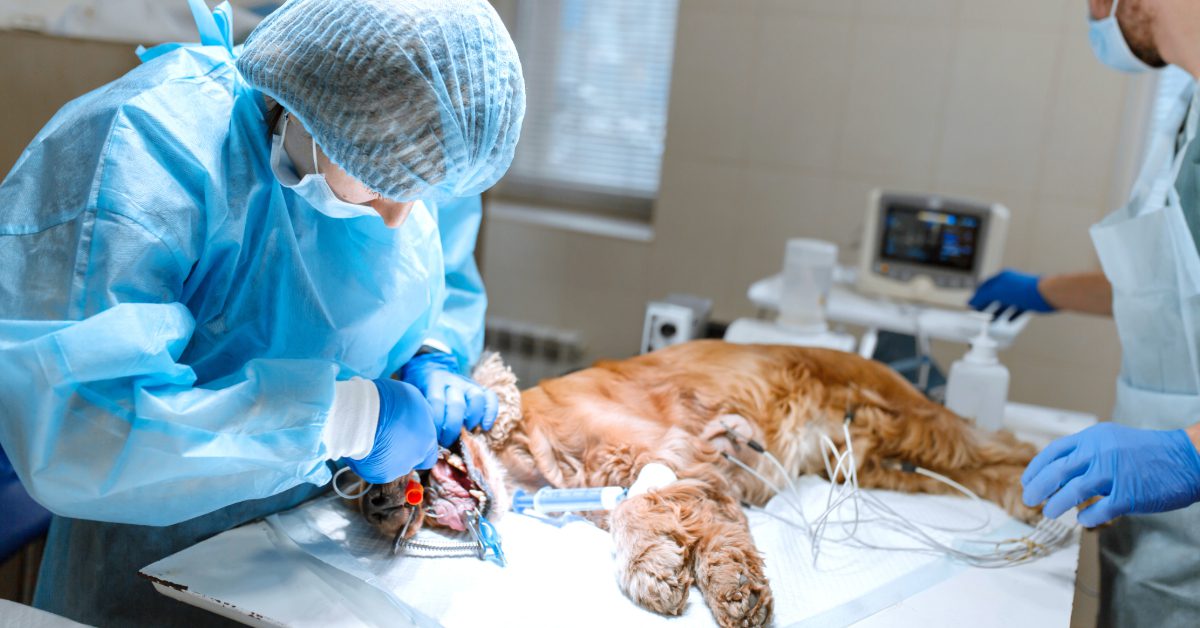
Your pet is placed under general anesthesia, which allows our veterinary team to thoroughly clean, probe, and X-ray every tooth without causing pain or stress. If extractions are necessary, your veterinarian uses precise surgical techniques to remove the affected tooth or teeth, often placing sutures afterward to support healing of the gum tissue.
How Long Does a Typical Dental Procedure Take?
The length of a pet dental surgery appointment depends on how much work is needed. A straightforward cleaning with no extractions might take under an hour, while a procedure involving multiple extractions or a deeper surgical repair can take several hours. Most pets stay at the hospital for the full day so our veterinary team has time for the cleaning, X-rays, any necessary surgery, and a supervised recovery before they’re discharged.
Recovery After Surgery
Most pets bounce back from dental surgery within a few days, though full healing of the gum tissue can take up to two weeks. Our veterinary team will send you home with a tailored aftercare plan and a follow-up appointment to confirm everything is healing as expected. Many owners are surprised by how much more comfortable and energetic their pet seems once a painful tooth or infection has finally been addressed.
What Are the Risks of Delaying a Necessary Dental Procedure for My Cat or Dog?
Putting off a recommended pet dental surgery rarely makes the underlying problem disappear. In most cases, the condition continues to worsen while your pet quietly lives with chronic discomfort that’s easy for owners to overlook.
Delaying treatment can lead to:
- Spread of bacterial infection from the mouth into the bloodstream, potentially affecting the heart, kidneys, or liver
- Bone loss around the tooth roots, which can weaken the jaw and increase fracture risk in small-breed dogs
- Worsening pain that affects appetite, energy, and overall quality of life
- A more complex and costly procedure than if the issue had been addressed earlier
Veterinary dental research consistently links untreated periodontal disease to systemic health complications, which is part of why early evaluation matters so much for long-term wellness.
Scheduling Your Pet’s Dental Evaluation in Boulder
Dental health affects far more than your pet’s smile. From comfortable chewing to long-term organ health, addressing dental disease early through proper evaluation and, when necessary, surgery, helps pets feel and live better. If you’ve noticed any of the warning signs above, our team at Indian Peaks Veterinary Hospital in Boulder, Colorado, can perform a complete oral exam to determine whether a cleaning, an extraction, or another form of pet dental surgery is the right path forward for your dog or cat. Call us at (303) 938-9474 to schedule an appointment for your pet today.